Why Are Hotel Sheets So Comfortable And What Makes Them Feel Luxurious

Contents
- Key Takeaways
- What Are Hotel Bed Sheets?
- What Makes Hotel Sheets Unique
- Why Are Hotel Sheets So Comfortable?
- What Makes Hotel Sheets Feel Special
- High-Quality Fabrics
- Balanced Thread Count
- Carefully Chosen Weaves
- Professional Cleaning Methods
- Final Details That Matter
- Hotel Sheets Vs Regular Sheets: The Differences
- How to Achieve Hotel-Like Comfort at Home
- Choose High-Grade Bedding
- Keep Bedding in Top Condition
- Experience the Luxury at Home: Miracle Made® Sheets
- High-End Fabric Craftsmanship
- Innovative Silver Thread Design
- Simple Upkeep and Longevity
- Conclusion
- Frequently Asked Questions
- What fabrics do hotels use to make sheets feel more comfortable?
- How do hotels keep their bedding soft and high-quality over time?
- What thread count do high-end hotels prefer for their sheets?
- What washing methods help hotel sheets stay comfortable?
- How does mattress quality affect the comfort of hotel bedding?
- How often do hotels change their sheets to maintain comfort?
- Sources
Hotel sheets feel comfortable because of good cotton or cotton-blend fabric, a moderate thread count, a crisp percale or smooth sateen weave, and frequent commercial laundering and pressing.
Understanding what makes these sheets different can help anyone recreate that same restful feeling at home. By learning about the materials and care practices hotels use, people can enjoy a similar level of comfort and quality in their own bedrooms.
Key Takeaways
- Hotel-style sheets are made from specific fabrics and weaves for optimal comfort.
- Proper care and washing keep sheets smooth and fresh.
- The same quality can be achieved at home with the right choices.
What Are Hotel Bed Sheets?
Hotel bed sheets are a type of hotel bedding known for their smooth texture, durability, and clean appearance. They are part of a larger group of hotel linens that include pillowcases, duvet covers, and fitted sheets. These sheets are designed to offer consistent comfort and maintain a crisp look even after frequent washing. Many people choose them for home use because they combine softness with long-lasting quality.
What Makes Hotel Sheets Unique
Hotel sheets differ from regular bedding because of the materials and construction used. Most are made from long-staple cotton or cotton blends that create a soft, breathable surface. The weave, thread count, and finishing process help control temperature and prevent pilling.
Many travelers wonder what makes those crisp sheets so different from the ones at home. You can learn more about the quality of fabrics used in hotels in our guide on what thread count are hotel sheets.
| Feature | Hotel Sheets | Regular Sheets |
|---|---|---|
| Material | Long-staple cotton or blends | Mixed fibers |
| Feel | Smooth and cool | Varies by brand |
| Durability | High | Moderate |
| Care | Easy to wash and press | May wrinkle easily |
Cleanliness is another key factor. Hotels maintain strict washing routines that keep sheets fresh and sanitary. This makes them appealing for those who value hygiene and low-maintenance care at home.
Using hotel-quality sheets can make a bedroom feel more restful and organized. They bring a sense of order and comfort that supports better sleep and a calm environment.
Why Are Hotel Sheets So Comfortable?
What Makes Hotel Sheets Feel Special
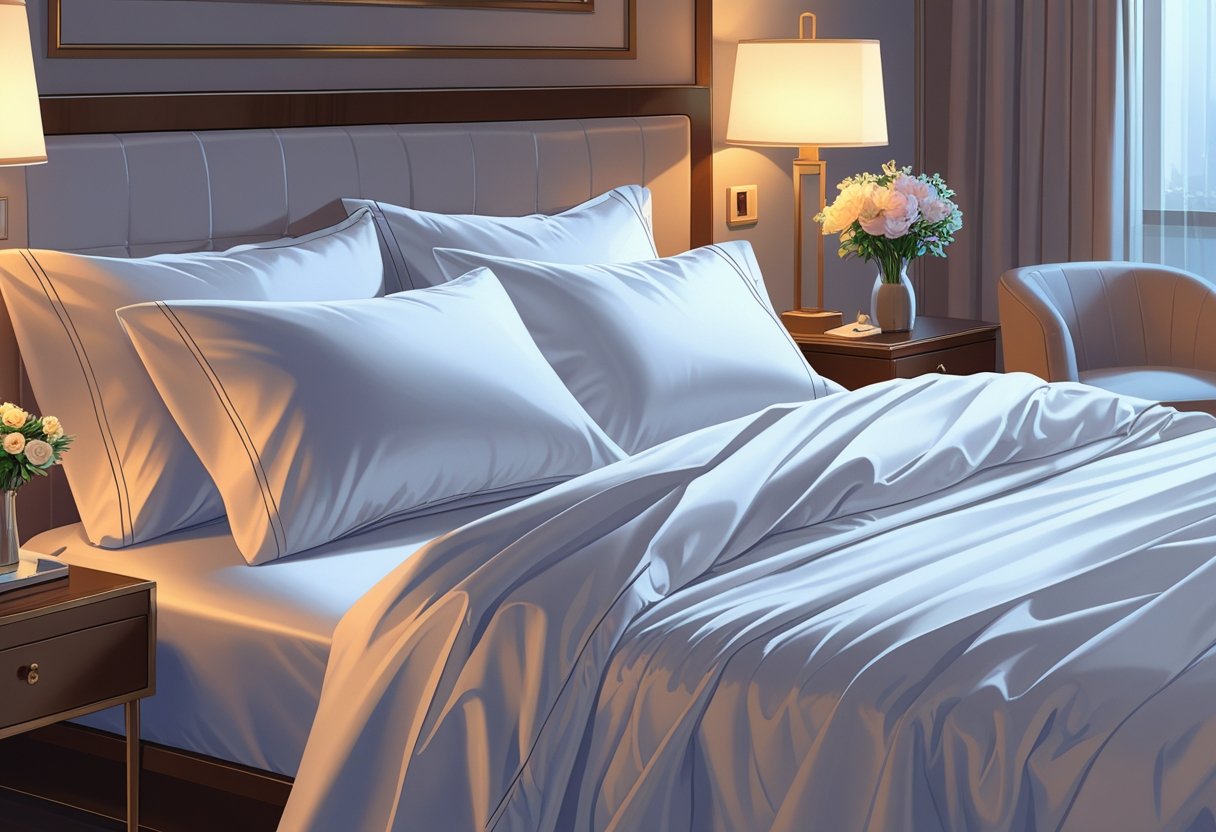
Hotel sheets feel soft and crisp because every detail is chosen with care. The comfort comes from the right mix of materials, weave types, and maintenance routines that keep the fabric fresh and smooth. Each step, from fiber selection to finishing, contributes to that familiar hotel-bed experience.
High-Quality Fabrics
Most hotels use long-staple cotton, such as Egyptian, Pima, or Supima cotton. These fibers are longer and finer than standard cotton, which helps create a smoother surface. Longer fibers also resist pilling and hold up well after many washes.
| Cotton Type | Key Feature | Feel |
|---|---|---|
| Egyptian Cotton | Extra-long fibers | Soft and breathable |
| Pima Cotton | Strong, fine fibers | Smooth and durable |
| Supima Cotton | U.S.-grown long-staple cotton | Silky and long-lasting |
These premium materials make the sheets both comfortable and durable, which is essential for daily hotel use.
Balanced Thread Count
Hotels do not always choose the highest thread count. Most sheets fall in a medium range, often 200 to 400 threads per square inch, with luxury hotels sometimes going higher. Hilton’s own set, for example, is a 250 thread count sateen.
Sheets with fewer threads can feel rough, while those with too many can trap heat. By choosing a moderate thread count, hotels ensure that the fabric feels soft yet stays cool through the night.
Carefully Chosen Weaves
The weave type affects how sheets feel and perform. Two of the most common options are percale and sateen.
- Percale weave uses a one-over-one-under pattern that creates a crisp, matte finish. It feels cool and lightweight, ideal for warm environments.
- Sateen weave floats several yarns over a single yarn (often four over, one under), giving a smoother, shinier surface. It feels warmer and silkier, suitable for cooler rooms.
| Weave | Texture | Best For |
|---|---|---|
| Cotton Percale | Crisp and breathable | Hot sleepers |
| Cotton Sateen | Smooth and soft | Cooler climates |
Hotel brands usually pick one weave for their standard bedding.
Professional Cleaning Methods
Hotels rely on commercial laundering: high-capacity machines, professional detergents, and controlled water temperatures, followed by pressing on large ironers.
The freshness and brightness of hotel linens often come from their meticulous cleaning process. Discover how they achieve that spotless look in how do hotels keep sheets white.
Thorough rinsing removes detergent residue and odors, and pressing leaves the fabric smooth.
Final Details That Matter
Presentation plays a role in comfort, too. After washing, hotel staff press and fold the sheets precisely. Ironing smooths the surface, while tight tucking creates a neat, firm bed.
These finishing touches make the bed look organized and feel welcoming. The combination of quality fabric, proper care, and careful setup gives hotel sheets their signature comfort night after night.
Hotel Sheets Vs Regular Sheets: The Differences
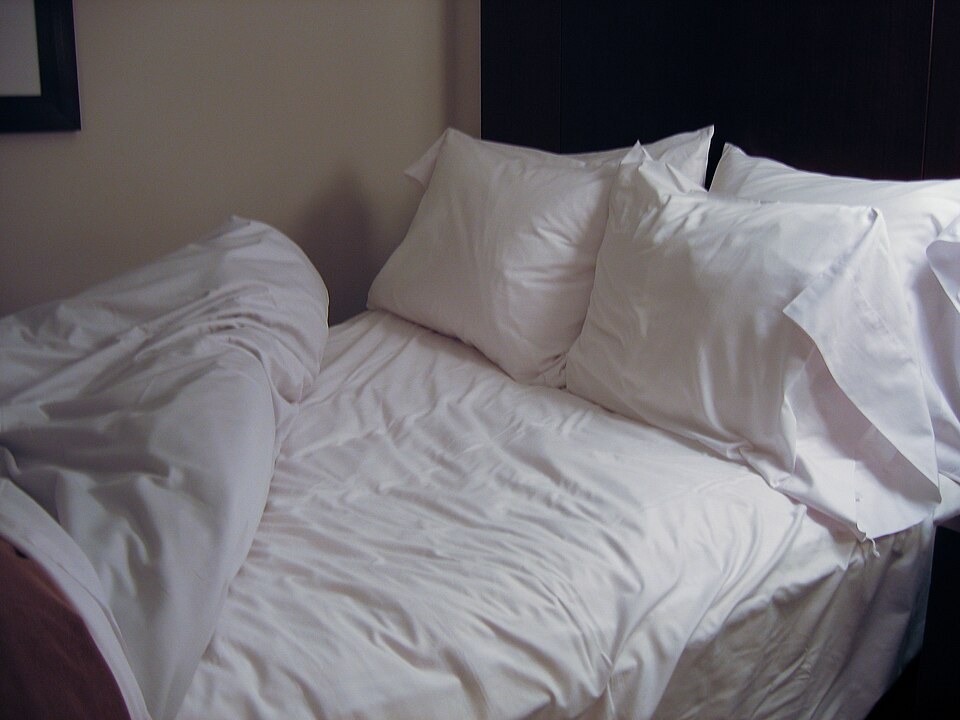
Photo by Liz Lawley, CC BY-SA 2.0, via Wikimedia Commons
Hotel-quality sheets and regular sheets differ in several key ways that affect comfort, durability, and overall feel. The materials, weave, and care methods used in hotel bedding create a distinct experience compared to those of most sheets at home.
Material and Texture Hotel sheets often use long-staple cotton such as Egyptian or Pima cotton, which produces smoother and stronger fibers. Regular sheets may use standard cotton or cotton blends that feel coarser and wear out more quickly.
Thread Count and Weave Hotel linens usually have a thread count between 200 and 400, balancing softness and airflow. Regular sheets can range widely, but lower thread counts may feel rougher. Hotels often choose percale for crispness or sateen for a silky texture, while everyday sheets may use simpler weaves.
| Feature | Hotel Sheets | Regular Sheets |
|---|---|---|
| Material | Long-staple cotton (Egyptian, Pima) | Standard cotton or blends |
| Thread Count | Usually 200–400 | Varies widely |
| Weave Type | Percale or sateen | Basic weaves |
| Durability | Withstands frequent washing | May wear faster |
| Care | Professionally laundered | Washed at home |
Durability and Maintenance Hotel bedding is made to handle repeated washing without losing quality. Regular sheets, even with good care, may fade or thin sooner.
Comfort and Cost Luxurious linens in hotels feel smoother and cooler to the touch. Regular sheets provide comfort but lack the refined texture of durable bedding found in hotels.
How to Achieve Hotel-Like Comfort at Home
Choose High-Grade Bedding
Creating a cozy, hotel-like bed starts with premium sheets. Fabrics made from long-staple cotton, such as Egyptian or Pima cotton, feel soft and smooth while staying durable over time. These materials resist pilling and hold their shape even after many washes.
When selecting sheets, thread count matters but only to a point. A range between 250 and 400 gives a balance of softness, strength, and airflow. Very high counts are often inflated: the FTC has told the industry it gives great weight to the ASTM counting method, which counts yarns, not plies. Lower counts may feel rough, while very high counts can trap heat. The goal is a fabric that stays cool and comfortable through the night.
The feeling of comfort also extends beyond the sheets themselves. If you’ve ever wondered why the entire bed feels so relaxing, read why hotel beds are so comfortable.
Adding a mattress topper can also improve comfort. A topper made from memory foam or down alternative adds extra cushioning and support. It helps the bed feel plush without replacing the mattress. For a finishing touch, use fabric softeners sparingly to keep the sheets smooth but not coated with residue.
| Material Type | Feel | Durability | Breathability |
|---|---|---|---|
| Egyptian Cotton | Silky | High | Moderate |
| Pima Cotton | Smooth | High | Good |
| Microfiber | Soft | Medium | Low |
These small upgrades can make an ordinary bed feel closer to a hotel suite.
Keep Bedding in Top Condition
Maintaining bedding correctly keeps it fresh and extends its life. Wash sheets weekly using a gentle cycle and mild detergent. This removes oils and dust while protecting the fibers. Overusing bleach or strong chemicals can weaken the fabric, so it’s best to avoid them.
Temperature control during washing also matters. Cold or warm water prevents shrinking and fading, helping colors stay bright. Hot water can break down threads faster, reducing softness.
When drying, use low heat or air dry. High heat can damage fibers, while gentle drying keeps them flexible. Folding sheets right after drying helps reduce wrinkles and keeps them ready for use.
For an extra touch, lightly iron the pillowcases or the top sheet edge. This small step gives a crisp, clean look similar to hotel linens. With these habits, bedding stays soft, smooth, and inviting night after night.
Experience the Luxury at Home: Miracle Made® Sheets
High-End Fabric Craftsmanship
Miracle Made® describes its Luxe sheets as 100% cotton, with a sateen weave on its upgraded Extra Luxe set. The product page does not list a thread count.
Innovative Silver Thread Design
The brand says the sheets are treated with antimicrobial silver so they stay fresher between washes. These are the maker’s claims; the page does not name a test method or third-party certification, and silver is not a substitute for regular washing.
Simple Upkeep and Longevity
Care Tips:
- Wash in cold or warm water
- Tumble dry on low heat
- Avoid bleach for lasting softness
Conclusion
Creating hotel-level comfort at home depends on a few clear factors. The fabric type, thread count, and weave style all influence how soft and durable sheets feel. Proper washing and storage also help maintain that smooth texture over time.
A quick checklist for comfort:
- Choose breathable, high-quality cotton.
- Select a balanced thread count for softness and strength.
- Follow gentle care routines to extend fabric life.
| Factor | Impact on Comfort |
|---|---|
| Material | Affects softness and breathability |
| Weave | Changes texture and feel |
| Care | Preserves quality and lifespan |
By paying attention to these details, anyone can create a calm, inviting sleep space that feels refined and restful.
Frequently Asked Questions
What fabrics do hotels use to make sheets feel more comfortable?
Hotels often use cotton, especially Egyptian or Pima cotton, known for its soft and breathable fibers. Some also blend cotton with polyester to add durability and reduce wrinkles. The goal is to balance comfort, strength, and easy care.
How do hotels keep their bedding soft and high-quality over time?
They wash sheets after every guest in commercial machines, rinse them thoroughly, and press them on professional ironers to keep them smooth. Worn or stained linens are pulled from service.
What thread count do high-end hotels prefer for their sheets?
Luxury hotels often choose sheets with a thread count between 300 and 600. Beyond that, extra count rarely improves comfort, and very high numbers may count plies rather than true threads.
What washing methods help hotel sheets stay comfortable?
Commercial laundries control water temperature and chemistry, then rinse thoroughly to remove residue. Sheets are usually pressed on a flatwork ironer for a crisp, clean feel.
How does mattress quality affect the comfort of hotel bedding?
A high-quality mattress supports the body evenly and enhances the softness of the sheets. Hotels usually pair their bedding with plush mattress toppers or pads to add extra cushioning and comfort.
How often do hotels change their sheets to maintain comfort?
Hotels put fresh sheets on for every new guest. During longer stays, many change them on a set schedule or on request. Worn sets are retired when they thin, stain, or tear, rather than on a fixed calendar.
Sources
- Hotel Stripe Sheet Set, Hilton To Home
- Request for FTC Staff Opinion Concerning Thread Count, Federal Trade Commission
- Miracle Made Sheet Set, Miracle Made