How Many People Can Stay in a Hotel Room: A Comprehensive Guide
Contents
- Key Takeaways
- The Basics of Hotel Room Occupancy
- Occupancy Limits and Regulations
- Different Types of Rooms and Their Capacities
- Comparing Hotel Chains' Occupancy Policies
- Factors Influencing Room Occupancy
- Legal and Safety Considerations
- Comfort and Space
- Amenities and Additional Charges
- Booking for Different Types of Travelers
- Individuals and Couples
- Families and Children
- Group Bookings and Events
- Cost Considerations
- Pricing Variations by Room Occupancy
- Ways to Save Money on Your Hotel Stay
- Navigating Hotel Policies and Logistical Information
- Checking In and Out
- Understanding the Fine Print
- Insurance and Liability
- Frequently Asked Questions
- Is there a considerable reason to have more people in a hotel room than the stated limit?
- What are the policies for accommodating families of 5 in a single hotel room?
- What happens if you bring extra guests to a hotel room without telling the hotel?
- Do hotels have specific rules for the number of adults allowed to stay in one room?
- How do hotel maximum occupancy rules vary for different room types?
- Sources
How many people can stay in a hotel room? It depends on the room type and the hotel's maximum occupancy, which is listed when you book. Many standard rooms with two beds allow up to four guests, while a room with one bed often allows two or three.
Some hotels offer larger suites or connecting rooms for bigger groups. Knowing the limit before you book helps you avoid extra charges or a problem at check-in.
Key Takeaways
- Many two-bed standard rooms allow up to four people.
- The hotel sets the maximum for each room type.
- Larger suites and connecting rooms can hold more guests.
The Basics of Hotel Room Occupancy
How many people can stay in a room depends on occupancy limits, room types, and hotel policies.
Occupancy Limits and Regulations
Occupancy limits set the maximum number of people allowed in a room. Hotels base them on bed count, room size, and local fire and building codes.
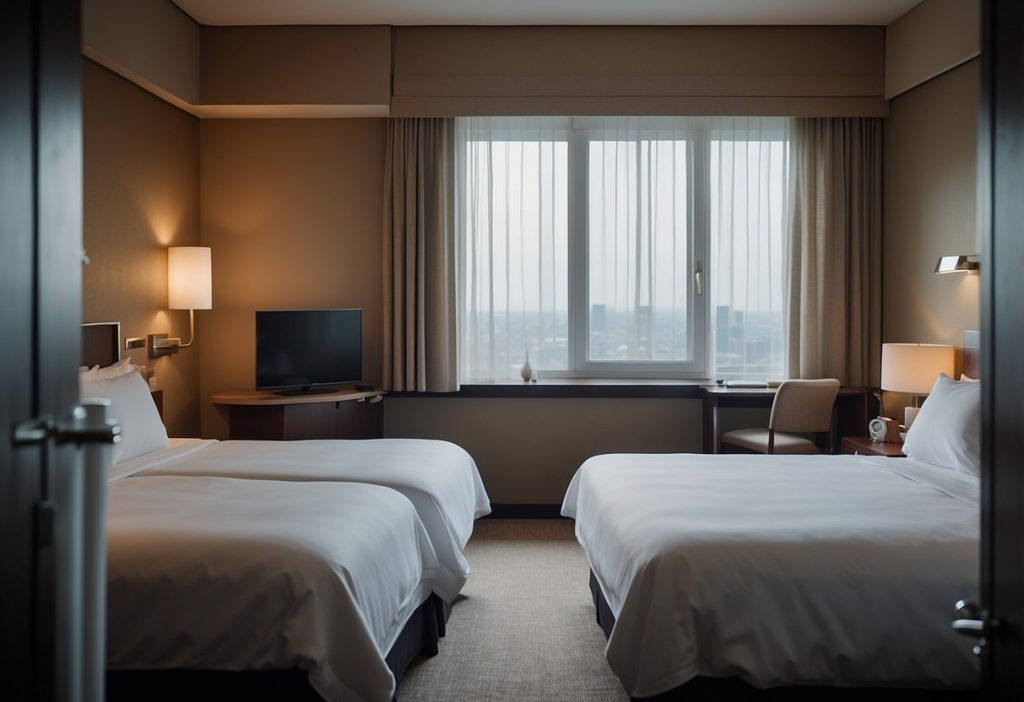
A room with one bed is usually listed for one or two guests, sometimes three with a sofa bed. A standard room with two beds commonly allows up to four.
Different Types of Rooms and Their Capacities
Hotels offer different types of rooms to fit various group sizes.
- Single rooms are for one person.
- Two-bed standard rooms often accommodate up to four people.
- Suites have more space and often include pull-out sofas, so they suit larger groups.
- Family rooms are designed to hold families, often with multiple beds.
Comparing Hotel Chains' Occupancy Policies
Large chains such as Marriott, Hilton, and Hyatt set a maximum occupancy for each room type, and it appears during booking.
Policies on children, rollaway beds, and extra-person charges are often set by each property. Confirm with the hotel directly before booking.
Factors Influencing Room Occupancy
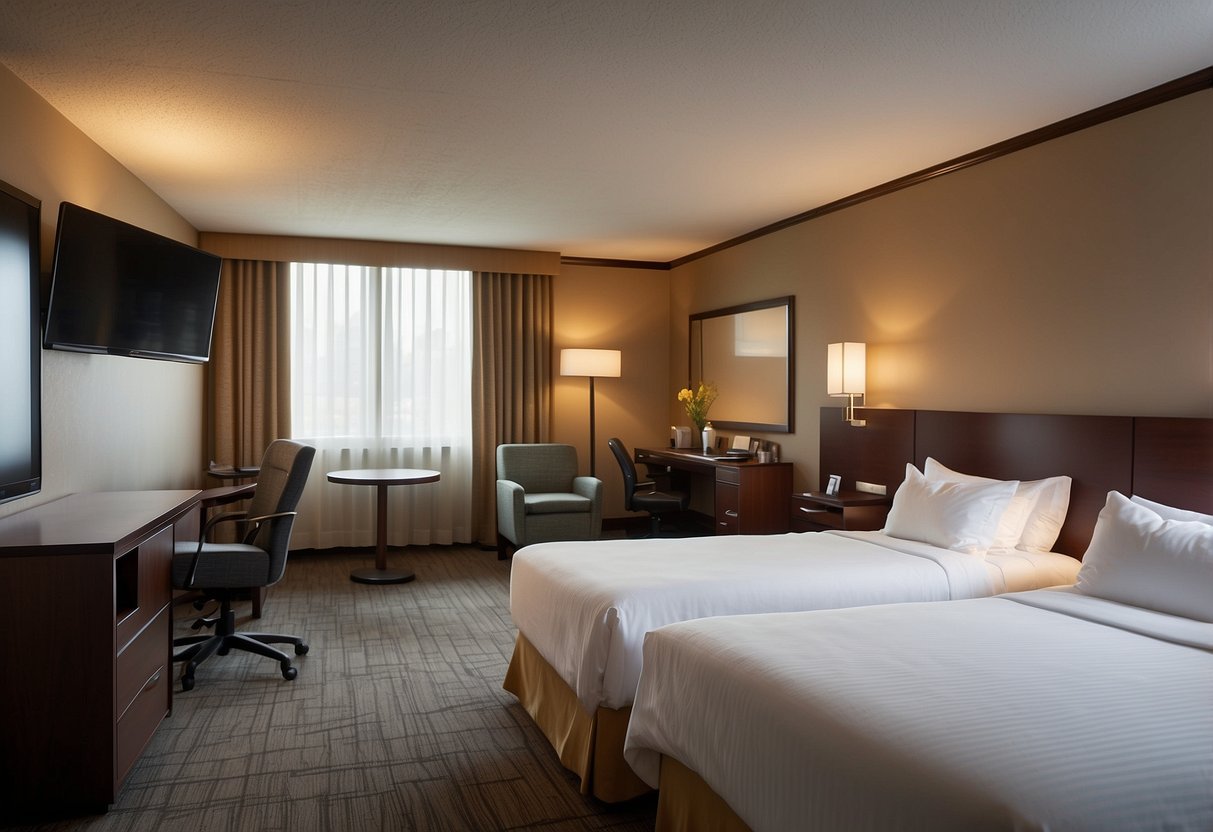
When working out how many people can stay in a room, consider the rules, comfort, and possible extra costs.
Legal and Safety Considerations
Hotel buildings must meet fire and building codes, and those safety rules shape how many people a room should hold. Overcrowding a room can block exits and make evacuation harder.
Check the maximum occupancy in the booking details or ask the front desk.
Comfort and Space
A room might allow four people, but will it be comfortable? More guests mean less space for luggage and movement.
Sofa beds and rollaways add sleeping space but take up floor space. Plan for luggage and personal items as well as beds.
Amenities and Additional Charges
Extra guests can add to the cost. Some hotels charge per additional adult, or for rollaway beds and extra linens.
Rooms with kitchens, larger bathrooms, or separate living areas handle bigger groups more comfortably. Check what is included and what costs extra.
Booking for Different Types of Travelers

When booking a hotel room, different travelers have different needs.
Individuals and Couples
Individuals and couples often look for a cozy and comfortable stay. Single travelers might prefer a standard room with a queen or king bed. Couples often choose a king room or a suite.
Business travelers may also need a desk and reliable Wi-Fi. Ask for a quiet room away from elevators if you want a peaceful stay.
Families and Children
Families need more space. A family suite may include multiple beds or a separate bedroom, and villas and cabins often include kitchens.
Ask whether the hotel provides cribs or play yards for babies. The CPSC's safe sleep guidance says to keep a baby's crib or play yard bare, with only a fitted sheet, and never add pillows or blankets.
Group Bookings and Events
For group trips or events, booking a block of rooms is common, and hotels may offer group rates. Many also have meeting spaces for weddings or conferences.
Ask to have the group's rooms placed near each other.
Cost Considerations
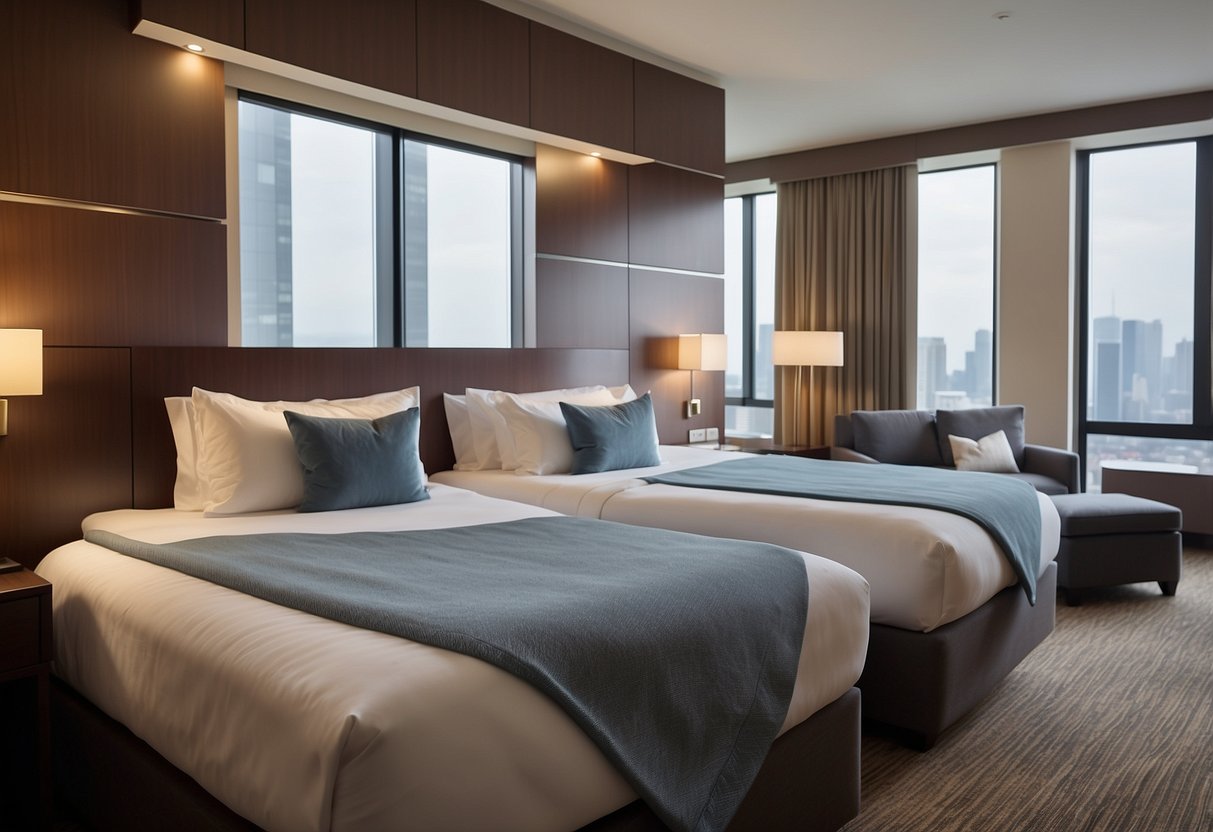
When planning your hotel stay, the number of guests can change the price.
Pricing Variations by Room Occupancy
Room rates often cover one or two guests. Some hotels add a charge for each additional adult.
- Additional Guest Fees: Charges vary by hotel and location.
- Types of Rooms: Suites and family rooms usually cost more because they hold more people.
Under the FTC rule on junk ticket and hotel fees, hotels must include mandatory fees, such as resort fees, in the price they display. Still, call the hotel to confirm extra-person charges.
Ways to Save Money on Your Hotel Stay
Booking during off-peak times can save money. Off-peak usually means weekdays at leisure destinations, or seasons when fewer people travel.
- Loyalty Programs: Members often get special rates.
- Bundle Deals: Packages that combine hotels with flights or car rentals can save money.
- Special Offers: Look for advance-purchase or last-minute rates.
Compare the full price, including taxes and fees, when traveling internationally or at home.
Navigating Hotel Policies and Logistical Information
Know the rules, the check-in and checkout times, and your responsibility for damage.
Checking In and Out
Check-in is usually in the afternoon and checkout in the morning. Confirm the exact times with the hotel.
Have your ID and reservation details ready at the front desk. Early check-in or late checkout may be available, sometimes for a fee.
Understanding the Fine Print
Read the fine print for maximum room occupancy, extra bed charges, and cancellation policies.
Exceeding the occupancy limit can lead to extra charges or being asked to leave.
Insurance and Liability
You can be held responsible for damage to the room during your stay. Check whether your travel insurance or another policy covers it.
Frequently Asked Questions
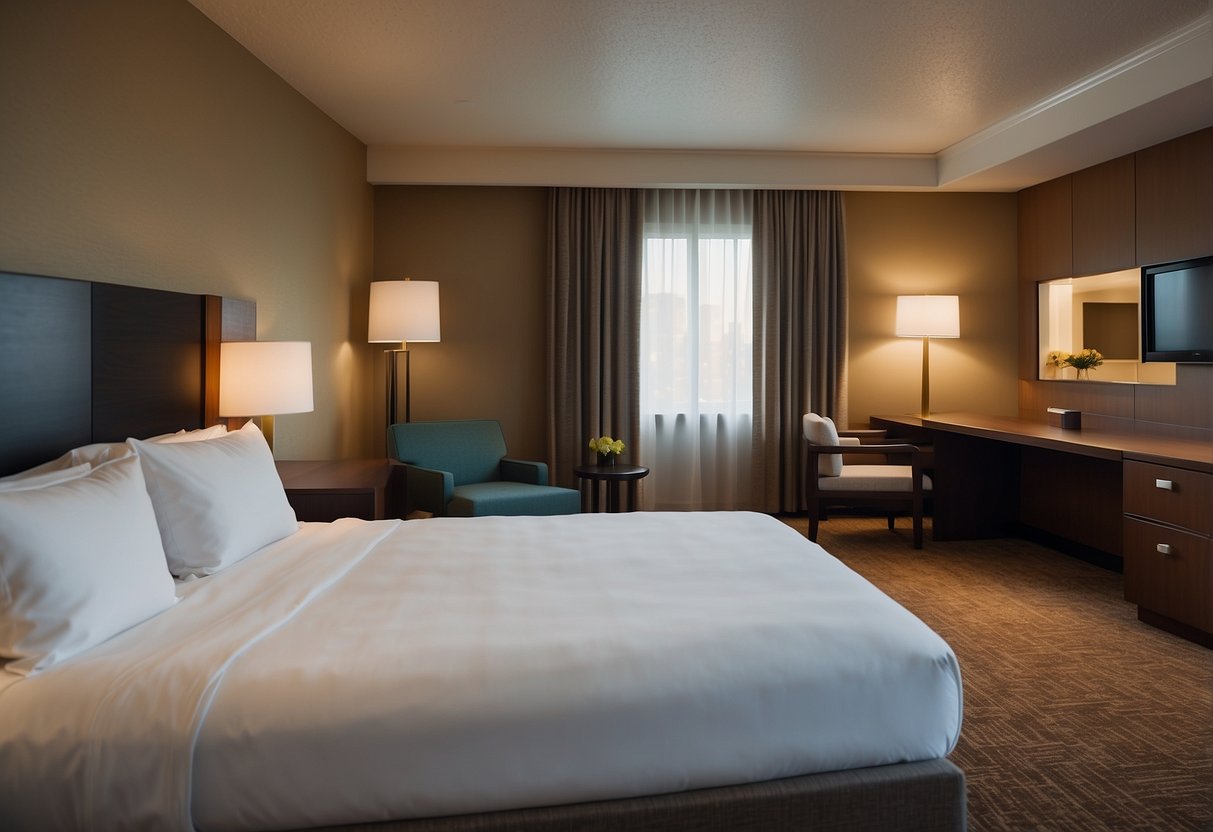
Here are common questions about room occupancy.
Is there a considerable reason to have more people in a hotel room than the stated limit?
No. Going over the limit can create safety problems, especially in an emergency, and can lead to extra charges or removal.
What are the policies for accommodating families of 5 in a single hotel room?
Some hotels offer family rooms or suites that sleep five, or allow a rollaway or crib. Check directly with the hotel for availability and any additional costs.
What happens if you bring extra guests to a hotel room without telling the hotel?
You may be charged for the extra guests or asked to leave. Registering every guest also helps the hotel account for everyone in an emergency.
Do hotels have specific rules for the number of adults allowed to stay in one room?
Many do. Some rooms list separate maximums for adults and children, and extra-adult fees are common. Check when booking.
How do hotel maximum occupancy rules vary for different room types?
Suites and family rooms typically accommodate more people than standard rooms. Always check the specific room's limit.
Sources
- Federal Trade Commission Announces Bipartisan Rule Banning Junk Ticket and Hotel Fees, Federal Trade Commission
- Safe Sleep: Cribs and Infant Products, U.S. Consumer Product Safety Commission