What is a Bed and Breakfast: Unpack the Charm of Cozy Stays
Contents
- Key Takeaways
- Understanding Bed and Breakfasts
- Definition and History
- Types of Bed and Breakfasts
- Usual Expectations
- How to Start a Bed and Breakfast
- What to Consider
- Finding Your Perfect Match
- What Your Guests Want
- Day-to-Day Offerings
- Interaction and Personalization
- Additional Activities and Services
- Frequently Asked Questions
- What amenities are typically available at a bed and breakfast?
- What can guests expect during their stay at a bed and breakfast?
- How much does it typically cost to stay at a bed and breakfast per night?
- What types of meals are provided at a bed and breakfast establishment?
- Sources
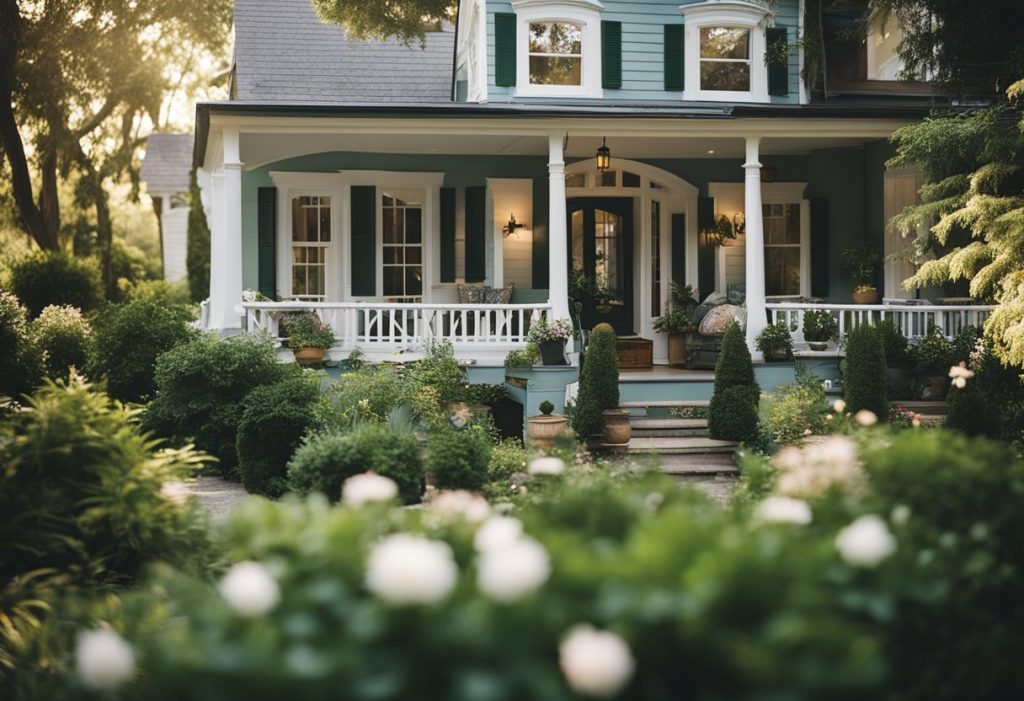
A bed and breakfast, or B&B, is a private house or small inn that rents rooms for the night and includes a morning meal. It is a charming alternative to a standard hotel or motel.
Most B&Bs have only a handful of rooms, each decorated differently. Breakfast is usually cooked on site and served in a shared dining room.
Many owners, called innkeepers, live on the property. They can often give local tips that a large hotel front desk might not.
Key Takeaways
- A bed and breakfast is a small lodging that includes breakfast with the room.
- Innkeepers often live on site and offer local advice.
- B&Bs trade hotel services like 24-hour staff for a more personal stay.
Understanding Bed and Breakfasts
B&Bs offer a more personal, home-like stay than most hotels, with fewer services.
Definition and History
The Cambridge Dictionary defines bed and breakfast as a room for the night and a morning meal, or a private house or small hotel offering this.
The term is closely associated with Britain and Ireland, and the format is now common in the United States and elsewhere.
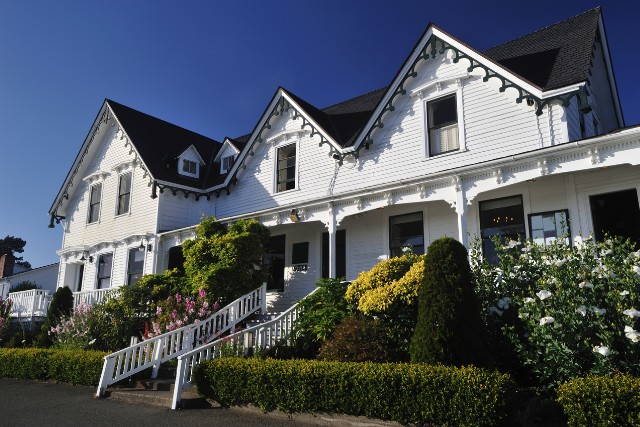
B&Bs are often in older homes, farmhouses, or cottages, and are known for their small size and personal hospitality.
Types of Bed and Breakfasts
When considering a B&B, you’ll encounter various types:
- Boutique Bed and Breakfasts: Focus on design and upscale amenities.
- Historic Homes and Mansions: Often chosen for romantic or special-occasion getaways.
- Cottages and Farm Stays: Suit travelers who want a quieter, rural setting.
Usual Expectations
Size and Personal Touch: B&Bs are smaller than hotels, which allows more personal attention from the innkeeper.
Amenities and Services:
- Home-cooked breakfast
- Private bathroom in many rooms, though some B&Bs have shared baths
- Free Wi-Fi at most properties
- Shared common areas such as a living room or garden
Limitations: A B&B may not have round-the-clock staff, a gym, or a spa. Check-in times can be strict because the innkeeper has to be there to greet you.
Before you book, confirm whether the bathroom is private, what breakfast includes, and the check-in window.
How to Start a Bed and Breakfast
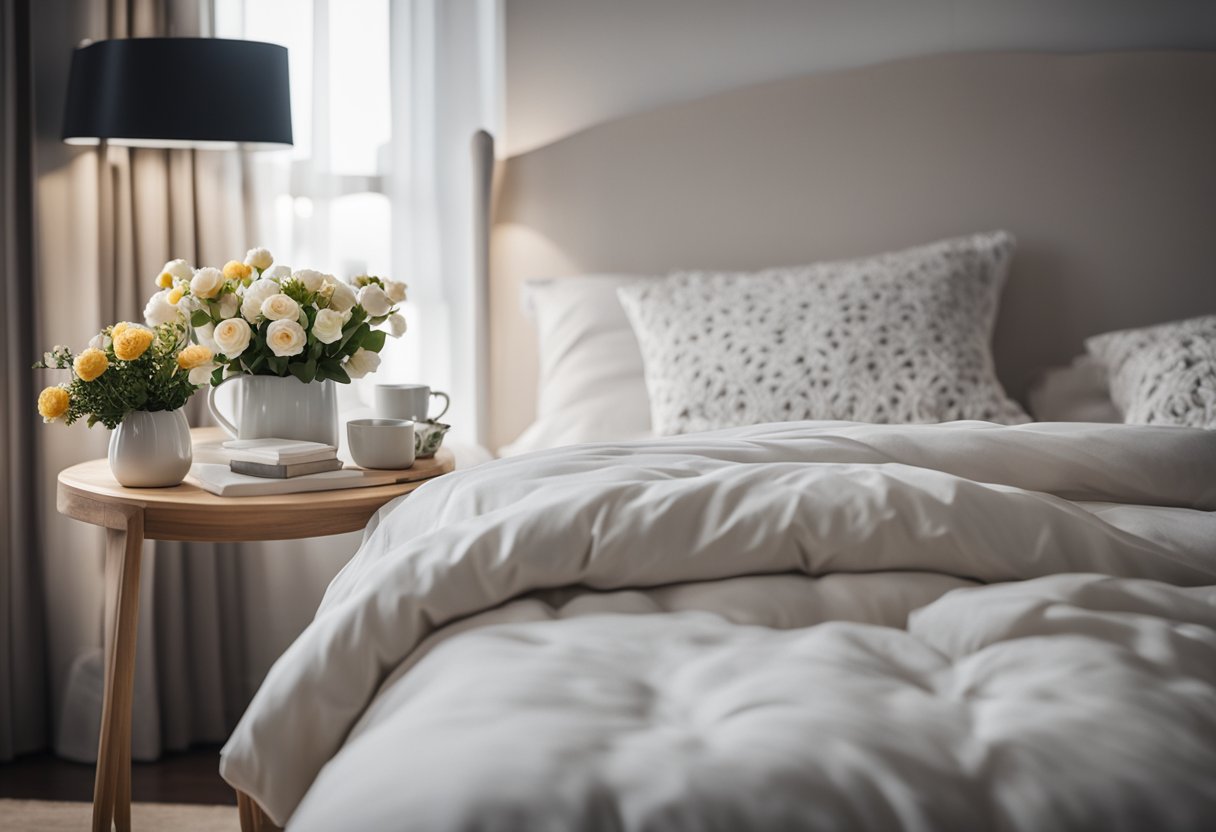
Starting a B&B means weighing location, costs, and local rules before you take your first booking.
What to Consider
Location: Pick a place with steady demand, such as near attractions, a college, or a scenic area. The setting should match the experience you want to offer.
Cost and Price: Work out the cost of buying or renting the property, renovations, insurance, and running costs. A business plan helps you set room rates that are competitive and still profitable.
Licenses and Zoning: Local rules matter a lot for a B&B. The Small Business Administration notes that businesses using a physical property must conform to local zoning requirements, and many licenses come from the city or county.
Because you serve food to guests, also check your state and local health department rules before opening.
Finding Your Perfect Match
Match what you offer to what travelers in your area want. To learn that:
- Do market research: Look at nearby lodging, reviews, and occupancy patterns.
- Use online platforms: Listing sites such as Airbnb show you demand and pricing in your area.
Then decide on the value you offer, whether that is luxury, history, or quiet nature, and make it clear in your listing, decor, and service.
What Your Guests Want
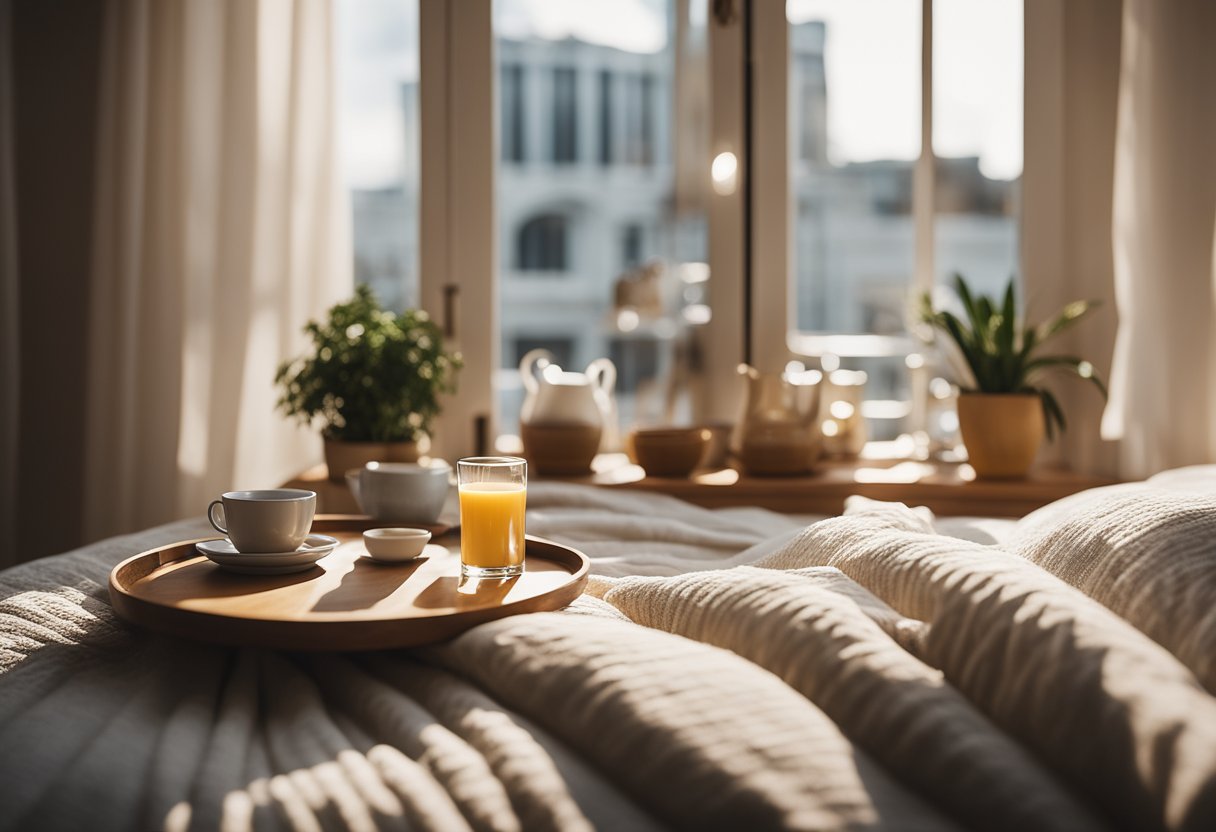
B&B guests look for comfort, a good breakfast, and a personal experience they would not get at a chain hotel.
Day-to-Day Offerings
- Private Bathrooms: Many guests now expect them, so private baths can be a strong selling point.
- Breakfast: A hearty, homemade breakfast is the core of the stay. Ask guests about allergies and dietary needs ahead of time.
- Common Areas: Comfortable shared spaces encourage guests to relax.
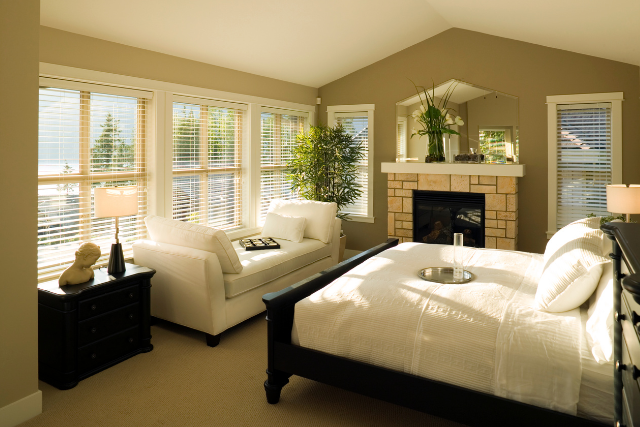
- Room Design: Rooms should be clean, comfortable, and individually decorated.
Interaction and Personalization
- Innkeeper Engagement: As a bed & breakfast innkeeper, a warm welcome and friendly conversation go a long way.
- Customized Experience: Note guest preferences, like a coffee order or a quiet room, and remember them for return visits.
Additional Activities and Services
- Local Guidance: Offer tips on nearby trails, a state park, or restaurants.
- Extra Services: Some B&Bs arrange tickets, picnic baskets, or dinner by request.
Frequently Asked Questions
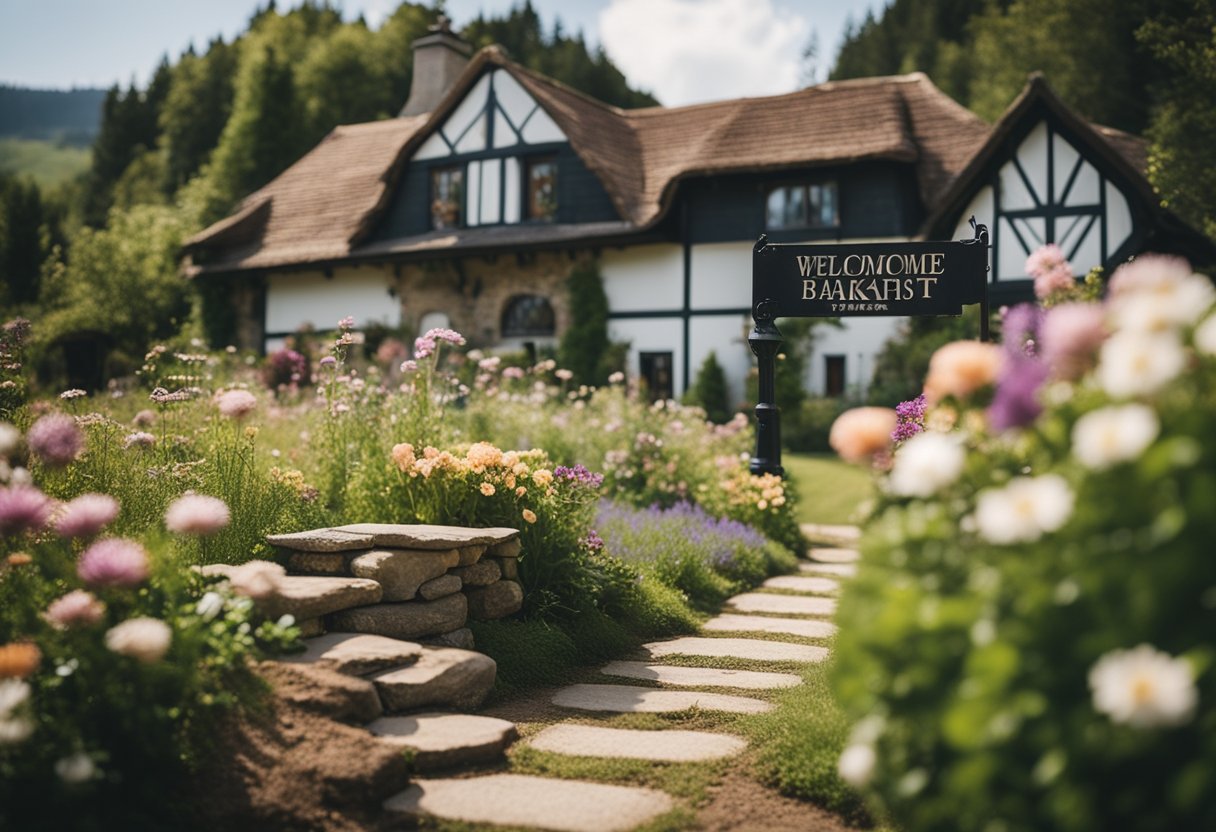
What amenities are typically available at a bed and breakfast?
Expect a private room, breakfast, and access to common areas like a living room or garden. Many rooms have a private bathroom, but some B&Bs share baths, so check the listing. Wi-Fi and basic toiletries are common.
What can guests expect during their stay at a bed and breakfast?
Expect more interaction with the hosts and a less standardized stay than at a hotel. Rooms are individually decorated, breakfast is often served at a set time, and hosts usually share local tips.
How much does it typically cost to stay at a bed and breakfast per night?
Rates vary widely by location, season, and room. A B&B in a popular tourist town in peak season can cost as much as a nice hotel, while rural B&Bs off-season can be much cheaper. Compare total prices for your dates.
What types of meals are provided at a bed and breakfast establishment?
Breakfast is included, and it may be a full cooked meal or a lighter continental spread. Some B&Bs also offer afternoon refreshments or dinner by arrangement, usually at an extra cost.
Sources
- Bed and Breakfast, Cambridge Dictionary
- Apply for Licenses and Permits, U.S. Small Business Administration