What Is a Boutique Hotel: Defining Unique, Personalized Accommodations
Contents
- Key Takeaways
- Defining the Boutique Hotel Concept
- Characteristics and Unique Qualities
- The Distinction Between Boutique and Luxury Hotels
- Historical Development of Boutique Hotels
- Influential Figures in the Movement
- Evolution Over the Decades
- Cultural and Location Impact on Boutique Hotels
- Influence of Local Art and Culture
- Boutique Hotels in Urban vs. Resort Destinations
- Service and Amenities
- Bespoke Services and Personalized Experiences
- Cuisine and Food Services
- Wellness and Recreational Facilities
- Frequently Asked Questions
- What distinguishes a boutique hotel from a traditional hotel?
- Why do travelers prefer boutique hotels over conventional ones?
- What typical amenities and characteristics define a boutique hotel?
- How does the pricing of boutique hotels compare to standard hotels?
- Can you describe the unique design elements often found in boutique hotels?
- What size and space requirements are typical for boutique hotels?
- Sources
A boutique hotel is a small, stylish hotel with a distinct personality, as opposed to a large hotel with a standard chain look. Expect individual design, a strong sense of place, and more personal service.
There is no official size or rating that makes a hotel “boutique.” The term describes a style more than a legal category.
Many boutique hotels are independent. Others belong to big companies that run boutique brands or collections of independent hotels.
Key Takeaways
- Boutique hotels are small, design-led hotels with a distinct personality.
- There is no official definition, so the label varies from hotel to hotel.
- Some are independent, while others are part of boutique brands run by major hotel companies.
Defining the Boutique Hotel Concept
The Cambridge Dictionary defines a boutique hotel as a small, stylish, and fashionable hotel that is not part of a chain. In practice, the word is used more loosely.
Characteristics and Unique Qualities
Boutique hotels are usually small, often with 100 rooms or fewer, though there is no set limit. Rooms may each look different and feature local art or custom furniture.
Many offer touches like custom toiletries, good coffee, and local food. The style can be modern or eclectic, often drawing on the building’s history or the neighborhood.
Service tends to be more personal, with staff who can tailor recommendations to you.
The Distinction Between Boutique and Luxury Hotels
The two can overlap, but they are not the same thing. Boutique hotels emphasize individuality and atmosphere. Luxury hotels emphasize a high level of service and extensive facilities, like spas, pools, and fine dining.
A boutique hotel can be luxury, midrange, or even affordable. A luxury hotel can be large and part of a global brand.
Large companies also blur the line. Marriott’s Autograph Collection, for example, describes itself as a global collection of distinctive independent hotels under the Marriott umbrella.
Historical Development of Boutique Hotels
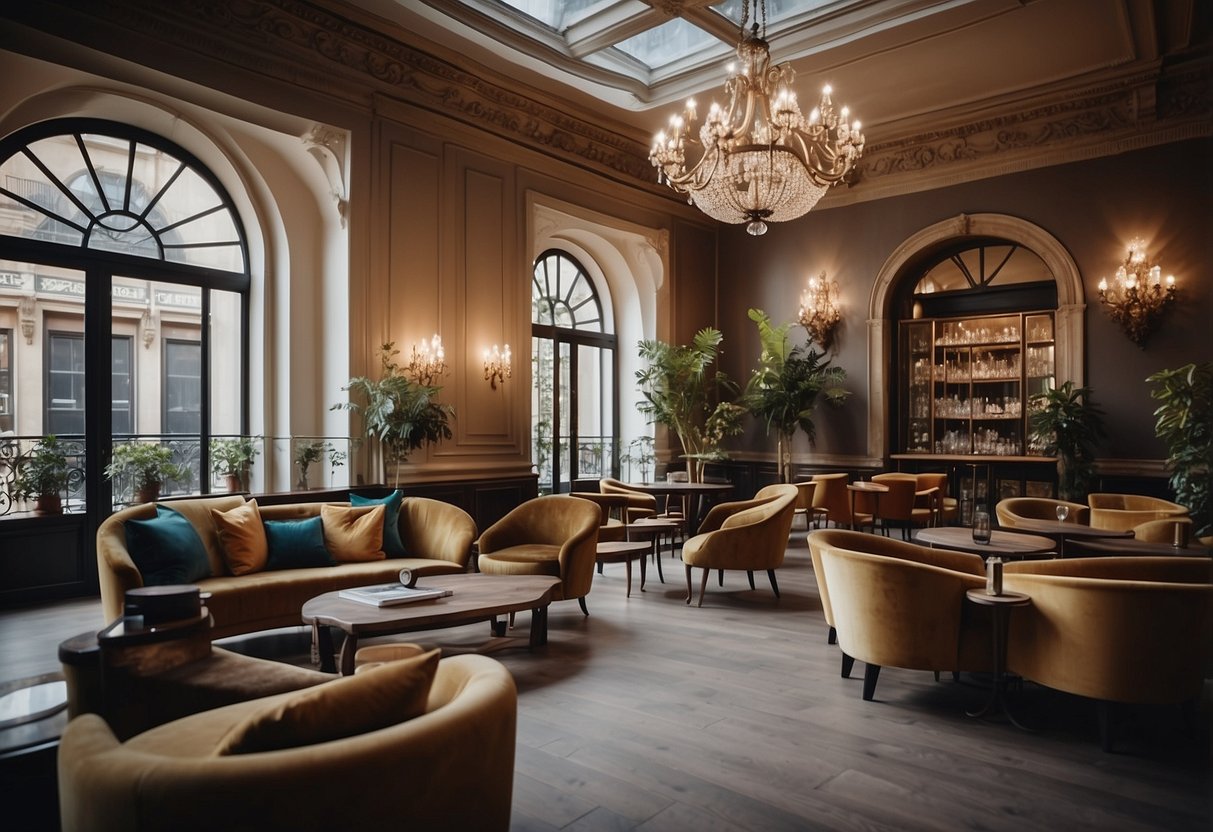
The boutique hotel idea took shape in the late 1970s and 1980s.
Influential Figures in the Movement
Designer Anouska Hempel opened Blakes Hotel in London in 1978. It is often named as one of the first boutique hotels.
Ian Schrager and Steve Rubell, the founders of Studio 54, opened Morgans Hotel in New York in 1984. Morgans helped popularize the small, design-focused city hotel.
Evolution Over the Decades
In the 1980s, the success of Morgans Hotel helped spread the boutique idea.
Through the 1990s and 2000s, more design-led small hotels opened worldwide. Major hotel companies later launched their own boutique brands and soft-brand collections, so a boutique hotel today may still earn chain loyalty points.
Cultural and Location Impact on Boutique Hotels
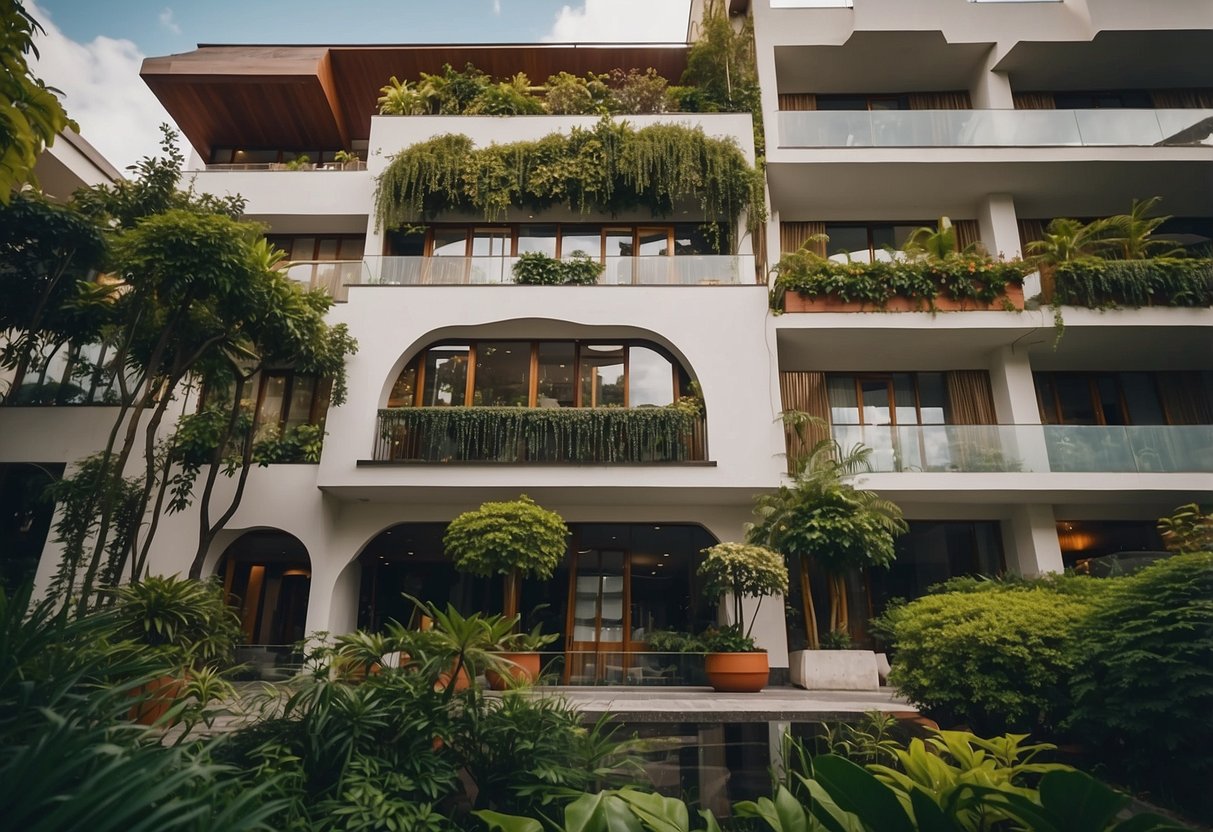
Boutique hotels often take cues from their surroundings, which makes each one feel different.
Influence of Local Art and Culture
In cities like New York City, San Francisco, and New Orleans, boutique hotels often show local art and decor tied to the area’s history.
Some host events or offer packages around local festivals.
Boutique Hotels in Urban vs. Resort Destinations
In urban areas, boutique hotels often have rooftop bars, lounges, and designs that echo the city’s architecture. They make a good base for walking to restaurants and sights.
In resort destinations, boutique hotels focus on the setting: beach access, gardens, and privacy.
Service and Amenities
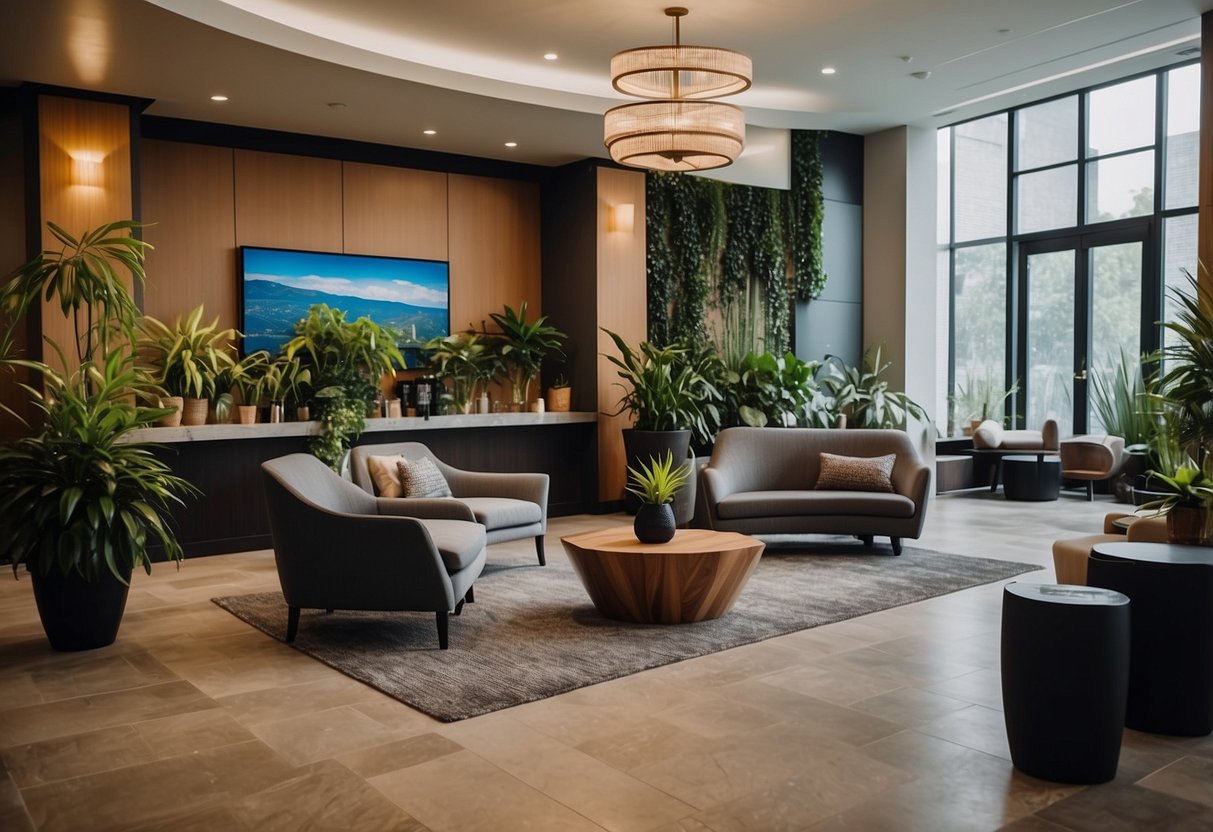
Amenities vary more at boutique hotels than at chain hotels, so check each property.
Bespoke Services and Personalized Experiences
Many boutique hotels pride themselves on personalized service, such as help with transportation, restaurant bookings, or local tips.
Common amenities include free Wi-Fi, quality linens, and a curated minibar. Some use refillable toiletry dispensers to cut plastic waste.
Cuisine and Food Services
Many boutique hotels have a restaurant or bar that focuses on local and seasonal food. Some offer room service, and some include breakfast, but neither is guaranteed.
Breakfast is often included at some boutique hotels, but not all, so confirm it in your rate before you book.
Ask in advance if you need vegetarian, vegan, or gluten-free meals.
Wellness and Recreational Facilities
Some boutique hotels have a spa, fitness room, or pool. Smaller city properties may have none of these, so check the amenity list.
Frequently Asked Questions
What distinguishes a boutique hotel from a traditional hotel?
Boutique hotels are usually smaller and more design-focused than traditional hotels. Rooms often look different from one another, unlike the uniform look of many chain hotels.
Why do travelers prefer boutique hotels over conventional ones?
Travelers choose them for their individuality, sense of place, and more personal service.
What typical amenities and characteristics define a boutique hotel?
Expect quality bedding, designer toiletries, and stylish common areas such as a lounge or rooftop bar. Larger facilities like pools and spas vary by property.
How does the pricing of boutique hotels compare to standard hotels?
Prices range widely. Some boutique hotels charge more than nearby chain hotels, while others are priced competitively. Compare the total price, including any fees, for your dates.
Can you describe the unique design elements often found in boutique hotels?
Look for custom furniture, original art, and a consistent design theme, often using local materials and crafts.
What size and space requirements are typical for boutique hotels?
There is no set size. Boutique hotels are generally small, often with 100 rooms or fewer, which helps staff give more personal attention.
Sources
- Boutique Hotel, Cambridge Dictionary
- Autograph Collection Hotels, Marriott