Why Do Hotels Have Bibles: A Tradition in Hospitality

Contents
- Key Takeaways
- Historical Context of Bibles in Hotels
- Gideons International Origin Story
- Expansion of Hotel Bibles
- Cultural and Religious Significance
- Symbol of Comfort and Solace
- Religious Diversity in Hospitality
- Secular Perspectives and Inclusivity
- Bibles and Modern Hotel Practices
- Evolving Guest Preferences
- Technology and Digital Alternatives
- Bible Accessibility and Other Religious Texts
- Logistics and Economics of Hotel Bibles
- Distribution and Donation Model
- Cost and Budget Considerations
- Global Trends and Future Outlook
- International Travel and Religious Texts
- The Future of Religious Materials in Hotels
- Frequently Asked Questions
- Is it customary for hotels to provide Bibles in guest rooms?
- What is the history behind placing Bibles in hotel rooms?
- Can guests take the Bibles found in hotel rooms?
- What are the reasons behind the Gideon Bible’s presence in hotel accommodations?
- Have there been changes in the practice of providing Bibles in hotel rooms over time?
- Sources
Hotels have Bibles mainly because The Gideons International, an evangelical Christian group founded in 1899, donates them. The first Gideon Bible was placed in a hotel in 1908, and the practice spread from there.
Hotels pay nothing for the books, and many guests find them a familiar comfort while away from home.
Key Takeaways
- Traditionally, Bibles in hotel rooms offer comfort and familiarity to guests.
- The inclusion of Bibles is influenced by brand values and guest diversity.
- Contemporary hotels adapt this practice to align with global and cultural trends.
Historical Context of Bibles in Hotels
As society progresses and becomes increasingly multicultural, the presence of Bibles in hotel rooms has also adapted. Some hotels now offer a selection of religious texts, or none at all, reflecting the diverse beliefs of their guests.
From both a logistic and economical standpoint, the decision to include Bibles can be influenced by guest expectations, the hotel’s brand values, and the desire to provide a comprehensive guest experience.
The presence of Bibles in hotel rooms can be traced back to a specific organization and its mission to disseminate Christian literature. This initiative grew significantly over time to become a common hospitality practice.
Gideons International Origin Story
The Gideons International was founded in 1899 by John H. Nicholson, Samuel E. Hill, and W.J. Knights. Nicholson and Hill were traveling salesmen. According to the Gideons, the first hotel Bible was placed in 1908 at the Superior Hotel in Superior, Montana.
Expansion of Hotel Bibles
The placement of Bibles in hotel rooms spread across the United States, becoming part of American hotel culture. Today the Gideons work worldwide.
They also distribute Scripture in hospitals and shelters, and in 1941 they handed out Service Testaments to U.S. Navy personnel at Pearl Harbor.
Cultural and Religious Significance

You’ll find that the presence of Bibles in hotel rooms touches on core aspects of comfort and emotional well-being, acknowledges religious diversity, and addresses secular viewpoints while emphasizing inclusivity.
Symbol of Comfort and Solace
The Gideon Bible often placed in your hotel room drawer is not merely a book; it’s a symbol of comfort to many travelers.
A tradition that began in the early 20th century, this practice speaks directly to the core of the Christian faith, providing believers with a sense of familiarity and peace in a foreign environment. It signifies a refuge for you, offering solace through religious literature when away from home.
Religious Diversity in Hospitality
Some hotels recognize religious diversity by offering other religious materials, such as the Bhagavad Gita or the Quran, in rooms or on request. This move not only reflects the broad spectrum of your beliefs but also illustrates a commitment to inclusivity, ensuring that various spiritual needs are acknowledged and met.
Secular Perspectives and Inclusivity
Organizations like the Freedom From Religion Foundation (FFRF) have urged hotels to stop placing Bibles in rooms.
If you prefer a room without religious texts, you can ask the front desk to remove the book.
Bibles and Modern Hotel Practices
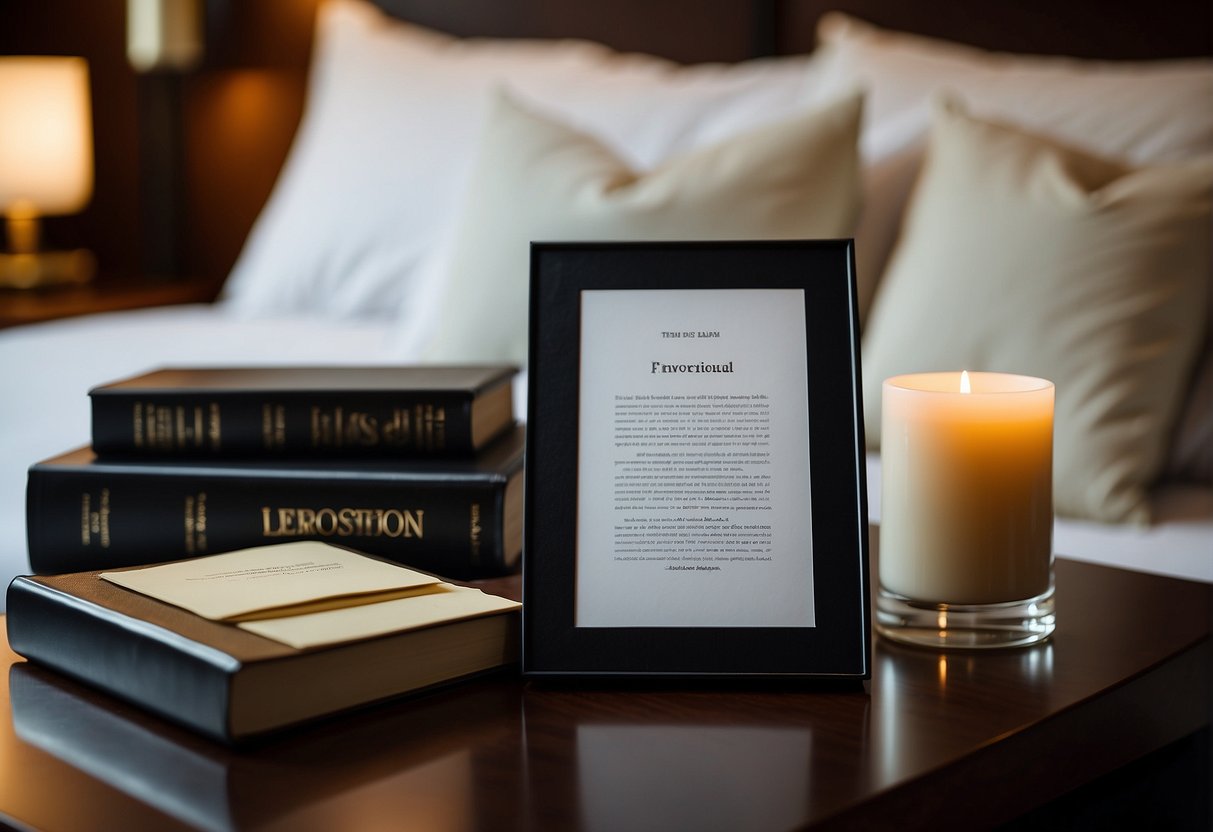
Your hotel room may or may not include a Bible, depending on the brand and the property.
Evolving Guest Preferences
The presence of Bibles in hotel rooms is changing with guest preferences. Some hotels, especially newer brands aimed at younger travelers, leave religious books out of rooms and offer them on request instead.
Technology and Digital Alternatives
Many guests now read religious texts on their own phones or tablets over the hotel Wi-Fi, which reduces the need for printed copies.
Bible Accessibility and Other Religious Texts
Some hotels feature a range of religious texts. Alongside the Bible, you may find the Book of Mormon, and some properties can provide the Quran or Bhagavad Gita on request. This inclusive approach caters to a variety of religious beliefs, ensuring that travelers of different faiths have access to their respective spiritual texts.
Logistics and Economics of Hotel Bibles

In this section, you will learn how hotel Bibles reach guest rooms and the financial considerations involved.
Distribution and Donation Model
Gideon International, an organization with a mission to distribute Scriptures, plays a central role in the placement of hotel Bibles. They donate these Bibles, ensuring that every hotel room can have a free copy of the Bible. Their distribution model primarily involves local members who liaise with hotels to furnish them with the necessary quantities.
- Process:
- Gideons connect with hotels
- Hotels agree to receive Bibles
- Members deliver Bibles to hotels
This system relies on a network of volunteers, thereby keeping the distribution costs relatively low.
Cost and Budget Considerations
When it comes to the economics of hotel Bibles, the budget impact on hotels is minimal. Since the Bibles are donated, hotels do not bear the cost of purchasing these books. This cost-efficiency is a considerable factor in the widespread acceptance of hotel Bibles.
Gideons absorbs the production cost through fundraising and donations within their network, negating the financial burden on hotels.
- Financials:
- Bibles: Donated by Gideon International
- Hotel Budget: Unaffected by donations
- Gideon Budget: Supported by contributions
Global Trends and Future Outlook
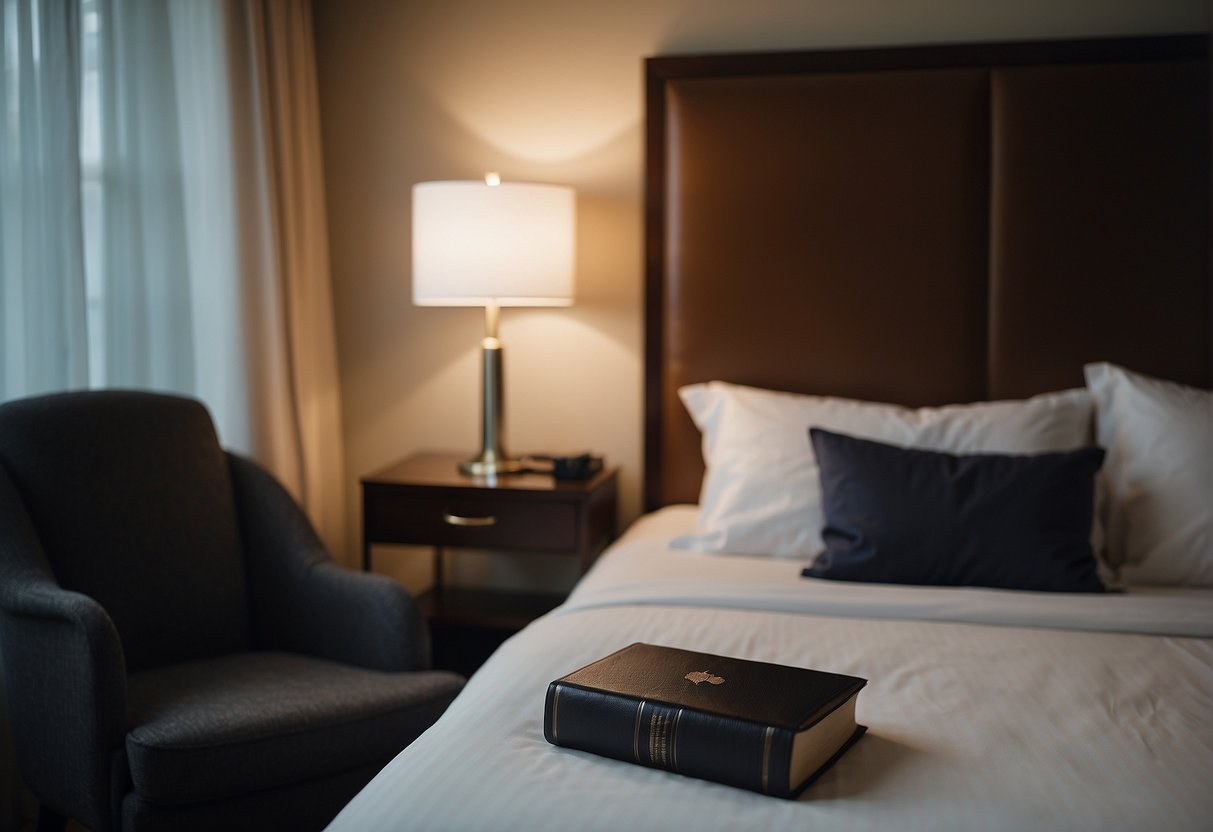
In the dynamic landscape of hospitality, your experience as a traveler is influenced by evolving trends in religious accommodations and how these are being adapted for the future.
International Travel and Religious Texts
What you find in the drawer depends on where you stay. Bibles are most common in the United States, while hotels in other countries may offer texts that reflect the local faith, or none at all.
Some hotels have moved to a request-based approach for all religious materials.
The Future of Religious Materials in Hotels
Printed Bibles are likely to remain in many rooms as long as the Gideons keep donating them. Guests who want other texts can ask the hotel or use their own devices.
Frequently Asked Questions

In this section, you will find answers to common queries regarding the tradition of Bibles in hotel rooms.
Is it customary for hotels to provide Bibles in guest rooms?
Many hotels place Bibles in guest rooms, a tradition that dates to 1908. It is most common in the United States.
What is the history behind placing Bibles in hotel rooms?
The tradition began with an evangelical Christian organization called The Gideons International, which started distributing Bibles in hotel rooms in the early 1900s. They aimed to spread Christian teachings to travelers.
Can guests take the Bibles found in hotel rooms?
Gideon Bibles are donated free of charge and placed for guests to read. Hotels rarely object if a guest takes one, but ask the front desk if you are unsure.
What are the reasons behind the Gideon Bible’s presence in hotel accommodations?
The Gideon Bible’s presence in hotel accommodations is driven by the mission of The Gideons International to evangelize and spread the Christian faith. They believe that providing Bibles in hotels reaches people who might not otherwise encounter the Bible.
Have there been changes in the practice of providing Bibles in hotel rooms over time?
The provision of Bibles in hotel rooms has seen changes. Some hotels choose not to include them due to growing religious diversity and the desire to appeal to guests of all backgrounds. Additionally, digital alternatives are becoming more common.
Sources
- About Us, The Gideons International