How Big is a Hotel Room: Average Sizes and Variations
Contents
- Key Takeaways
- Standard Hotel Room Dimensions
- Room Size by Hotel Classification
- Additional In-Room Features
- Entertainment and Connectivity
- Apparel and Convenience Items
- Frequently Asked Questions
- What are the size dimensions for a standard five-star hotel room?
- How does room size vary between standard, deluxe, and suite hotel rooms?
- What is considered a small hotel room size?
- Sources
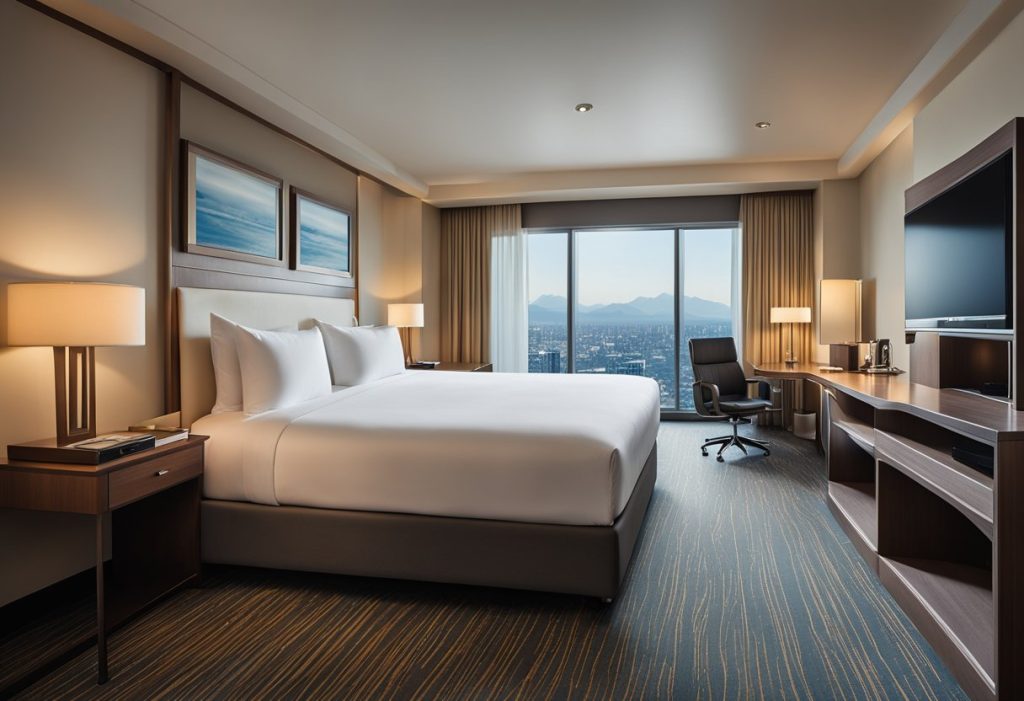
Hotel rooms vary in size with the type of hotel and its location. Many standard rooms in U.S. hotels fall roughly between 250 and 400 square feet, with about 300 square feet a common middle ground.
City hotels, older buildings, and newer "micro" hotel brands often have smaller rooms, while luxury hotels and suites are larger. Knowing how big a hotel room is helps you choose the right one for your stay.
Key Takeaways
- Many standard U.S. hotel rooms are around 250 to 400 square feet.
- Rooms in big cities and in Europe are often smaller.
- Hotels list approximate sizes, so check the room details before booking.
Standard Hotel Room Dimensions
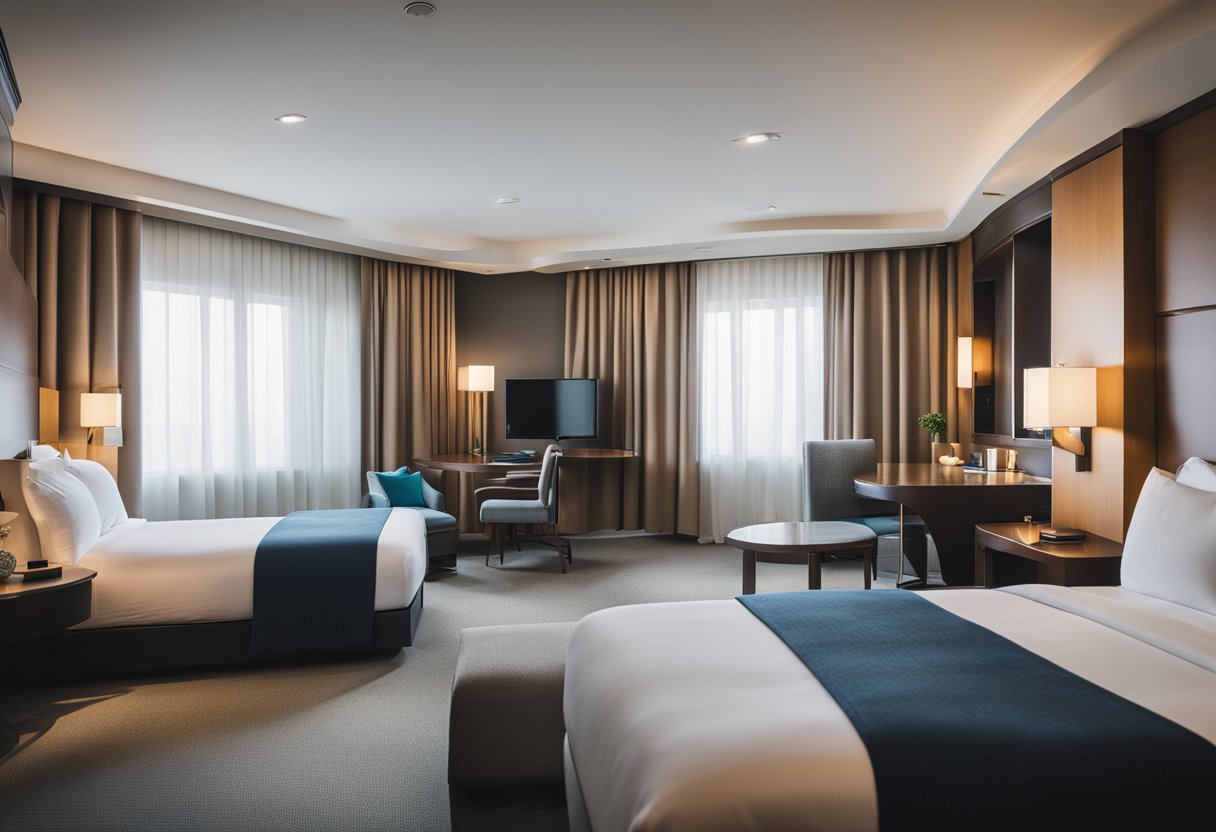
Room size depends on the hotel's category, age, and location. Larger rooms usually leave space for a king bed, extra seating, or a bigger bathroom.
Room Size by Hotel Classification
These ranges are rough guides, not industry standards.
Micro and Compact Hotels
Some urban and "micro" hotel brands are built around rooms under 200 square feet. They focus on a comfortable bed, a compact bathroom, and smart storage, with more space in shared lobbies.
Economy and Mid-Range Hotels
Many economy and mid-range rooms in the U.S. are roughly 250 to 350 square feet. They typically fit one king or two queen beds, a desk, and sometimes a small seating area.
Luxury Hotels
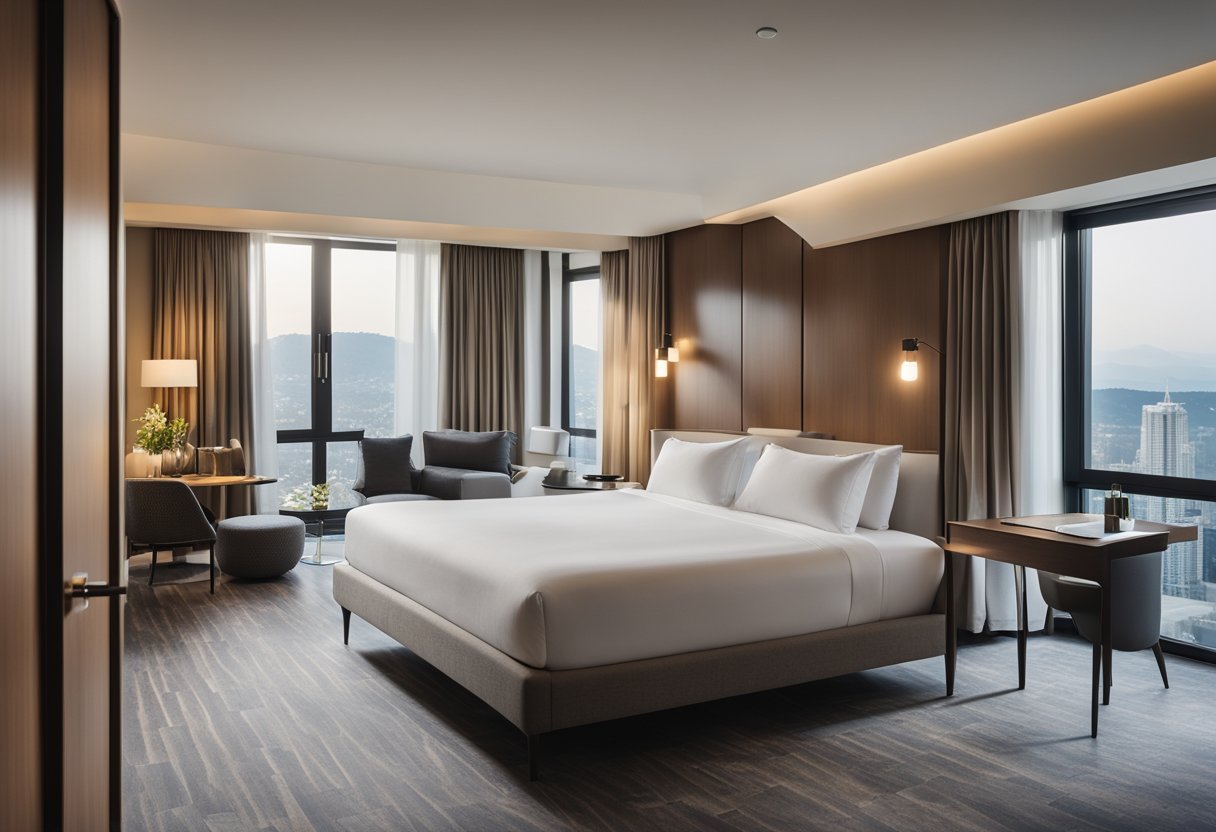
Luxury rooms are often 400 square feet or more. They may include a larger bathroom with a separate tub and shower, a sitting area, and sometimes a balcony.
Additional In-Room Features
Room size isn't the only difference. Here's what many rooms include.
Entertainment and Connectivity
Most hotel rooms have a flat-screen TV. Some offer smart TVs or casting, so you can stream your own accounts, which is handy when you're travelling for work or out on business.
Free Wi-Fi is common. Some hotels charge for faster Wi-Fi or include it in a resort or amenity fee. In the U.S., the FTC's fee rule requires hotels to include mandatory fees in the total price they advertise.
Many newer rooms have USB ports or outlets near the bed and desk.
Apparel and Convenience Items
Upscale hotels often provide robes and slippers. Budget hotels usually don't.
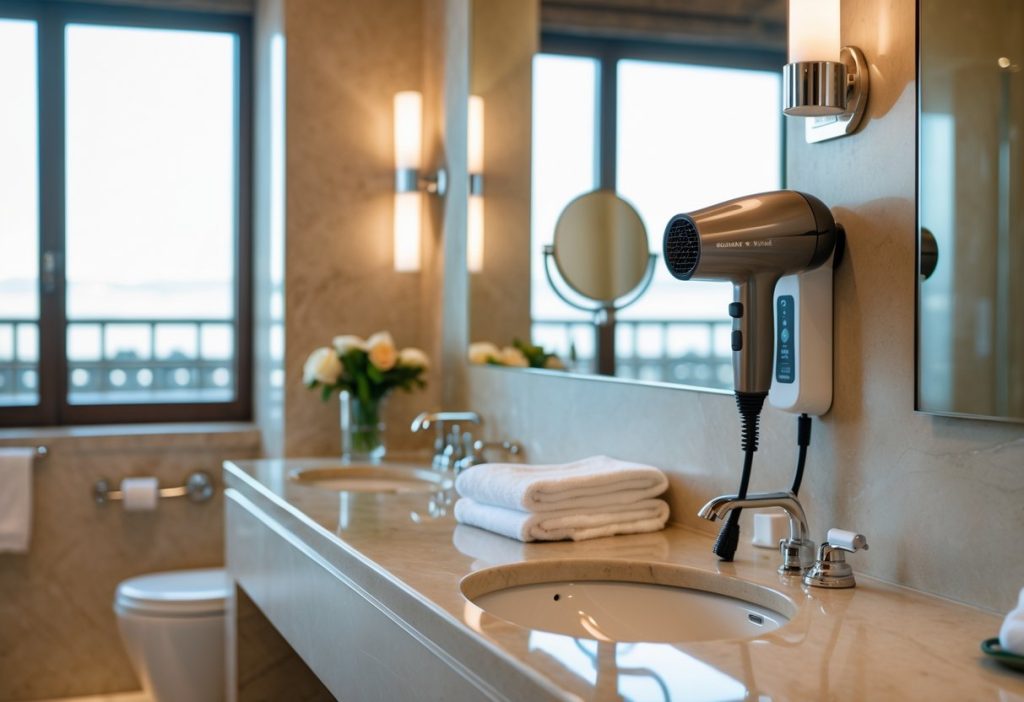
In the bathroom, you'll typically find complimentary toiletries such as soap, shampoo, and conditioner. Hair dryers are common too.
Many rooms have a mini-fridge or minibar. Minibar items usually cost extra. Coffee makers or kettles are common, and the front desk can often provide extra items on request.
Frequently Asked Questions
Room size can matter a lot, especially on longer stays.
What are the size dimensions for a standard five-star hotel room?
There's no fixed size, but standard rooms at five-star hotels are often 400 square feet or more. City-center luxury hotels can be smaller because space is expensive.
How does room size vary between standard, deluxe, and suite hotel rooms?
Standard rooms are the smallest category at a given hotel. Deluxe rooms are usually somewhat larger or have a better view. Suites are the largest and add a separate living area. Exact sizes differ by property, so check the listing.
What is considered a small hotel room size?
Rooms under about 200 square feet are generally considered small. They can work well for solo travelers or short stays.
Sources
- Federal Trade Commission Announces Bipartisan Rule Banning Junk Ticket and Hotel Fees, Federal Trade Commission
- FTC Rule on Unfair or Deceptive Fees to Take Effect on May 12, 2025, Federal Trade Commission