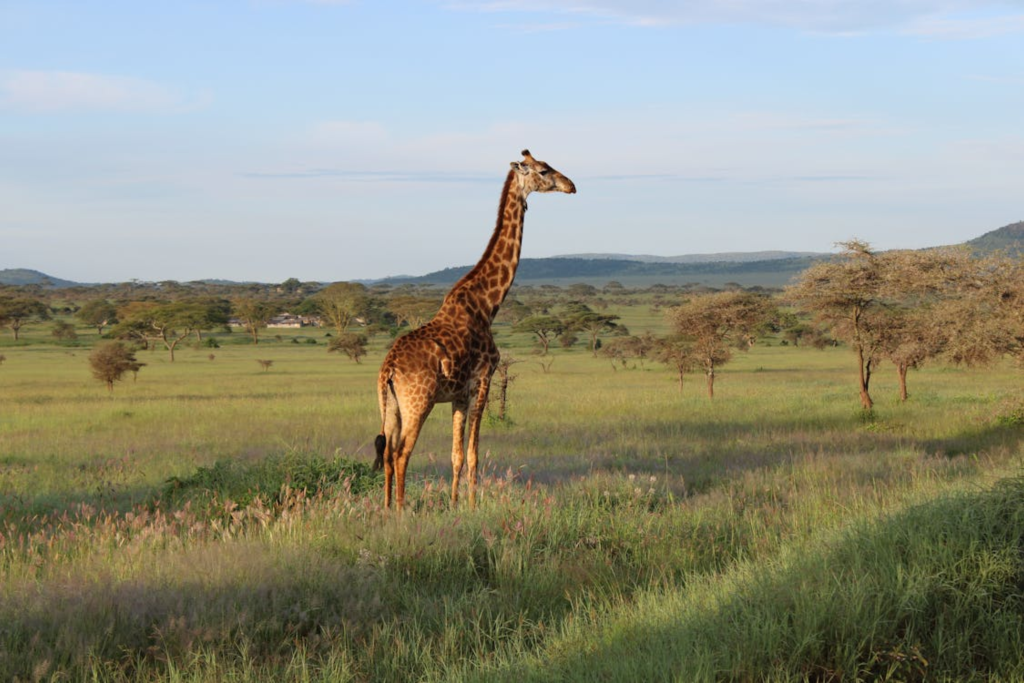
A multi-day safari in Tanzania isn’t just “more game drives.” Done well, it becomes a moving window into different ecosystems—short-grass plains, acacia woodlands, volcanic highlands, river corridors—each with its own cast of animals and its own rhythm. The difference between an okay trip and an unforgettable one usually comes down to pacing, planning, and how you use the hours between sightings.
Below are practical, field-tested ways to get more out of every day—whether this is your first safari or your fifth.
Start With a Smart Safari Structure (Not Just a List of Parks)
Multi-day itineraries often look great on paper: Serengeti! Ngorongoro! Tarangire! Lake Manyara! But “seeing everything” can quietly turn into long driving days and rushed game viewing. Instead of chasing park checklists, build an arc that makes ecological sense.
Balance drive time with time in the field
Two rules of thumb seasoned guides live by:
- Prioritize two nights per key area when possible. One-night stops can feel like you’re constantly arriving and leaving.
- Treat transit days as part of the experience, not dead time. A well-timed drive through the Ngorongoro Highlands or the Maasai plains can be as memorable as a game drive.
Match parks to what you care about
Different landscapes deliver different “headline moments.” If you’re choosing between options, think in outcomes:
- Predator drama and big horizons: Serengeti
- Dense elephant populations and baobabs: Tarangire
- Scenic crater bowl + high density wildlife: Ngorongoro Crater
- Groundwater forests + birdlife: Lake Manyara (often best as a shorter stop)
Get Specific About the Season—and What It Changes
People talk about “best time to go,” but Tanzania’s seasons don’t just affect weather; they influence animal movement, visibility, and even your photography.
Dry season: easier viewing, higher competition
From roughly June to October, grasses are shorter, and animals concentrate around water. Sightings are often simpler—especially for cats. The trade-off is that popular areas can feel busy, and dust becomes part of life (bring a buff or light scarf and lens cloths).
Green season: dramatic skies, fewer vehicles
From November into March (timing varies), you’ll see lush scenery, more baby animals, and incredible cloud formations. Roads can be slick in places, but the atmosphere can be spectacular—and you’re often sharing sightings with fewer vehicles.
If you’re looking at itineraries that combine multiple ecosystems efficiently, it helps to study a real-world route like a Tanzania wildlife journey with expert guides to understand how planners sequence parks to reduce backtracking and maximize time at prime viewing hours.
Treat Your Guide as Your Greatest “Wildlife Upgrade”
A safari vehicle can take you into a park; a sharp guide turns it into an education. The best guides aren’t just spotting machines—they read behavior, anticipate movement, and understand the subtle rules of positioning around other vehicles.
Ask better questions (and you’ll get better experiences)
Instead of “What is that?” try:
- “What tells you the lions are about to move?”
- “How do you decide where to wait versus where to drive?”
- “What’s the wind doing, and how does that affect animals?”
You’ll start to notice patterns: alarm calls, oxpeckers riding buffalo, vultures circling, or the way herbivores “stack” when a predator is near.
Speak up about your preferences early
Want longer at sightings rather than constant movement? Prefer birds and smaller species, not just big cats? Say so on day one. Good guides can tailor a day’s flow—especially when they know what “success” looks like for you.
Plan Your Days Around Light (Not the Clock)
Safari days run on light: dawn and late afternoon are when many animals are active and when landscapes look their best.
Morning drives: crisp behavior, best tracking
Early hours are prime time for predators finishing a hunt, hyenas returning to dens, and cats moving before it heats up. If you’re serious about wildlife photography, sunrise is your friend—even if that wake-up call isn’t.
Midday: use it intentionally
Midday heat can slow animal movement, but it’s not wasted time. Use it for:
- A relaxed brunch back at camp
- Downloading photos and cleaning gear
- Learning tracks, scat, and bird calls with your guide
- A short siesta (highly underrated on multi-day trips)
Pack for Comfort, Not Fashion
Packing well is less about owning fancy gear and more about avoiding small discomforts that compound over several days.
The essentials people forget
Bring layers for chilly mornings and open-vehicle wind, plus sun protection for late morning glare. Neutral colors help, but comfort matters more than looking “safari.” Also consider motion sickness tablets if you’re prone—some stretches are corrugated, especially in drier months.
Camera gear: keep it simple and ready
If you have interchangeable lenses, a mid-range zoom (like 70–200mm or 100–400mm) covers most situations. More important than the “perfect lens” is having your camera accessible. Digging in a bag while a leopard climbs a tree is a familiar regret.
Respect the Wildlife Etiquette (It Improves Sightings)
Wildlife etiquette isn’t just about being polite—it directly impacts animal behavior and the quality of your experience.
Positioning and patience beat pressure
Crowding predators, blocking their path, or demanding a closer approach often backfires. Animals change direction, retreat into cover, or simply stop doing anything interesting. When your guide hangs back, they’re often protecting the moment—letting behavior unfold naturally.
Keep voices low and movements minimal
It’s surprising how much noise carries in open plains. Quiet observation can reward you with more natural behavior: grooming, play, subtle communication, and hunting cues you’d otherwise miss.
Add One “Human” Dimension to Your Itinerary
Tanzania’s wildlife is the headline, but the context matters. A cultural visit—done respectfully—adds depth without taking away from the safari.
Choose experiences that feel real, not staged
A market visit in Arusha, a coffee stop near the slopes of Kilimanjaro, or learning about pastoral life in the highlands can make the landscape feel inhabited rather than purely cinematic. If you’re interested, ask your operator how communities benefit and how visits are managed.
Make It Sustainable in Practical Ways
You don’t need to overhaul your trip to reduce impact. Small decisions help:
- Stay on established tracks (your guide should do this by default)
- Avoid single-use plastics where possible
- Support camps and operators with clear conservation and employment practices
- Tip fairly—guiding is skilled work, and good guides elevate everything
The Bottom Line: Pace, Light, and Expertise
The magic of a multi-day Tanzania safari is cumulative. The first elephant herd is thrilling; by day four, you start reading the landscape differently. You notice the warning snorts, the fresh tracks, the way a distant line of vehicles hints at a hidden cat.
Give yourself time in fewer places, plan around the light, and lean into your guide’s knowledge. That’s how a safari shifts from a sequence of photos to a deeper understanding of a living system—and how you come home with stories that are richer than a checklist.