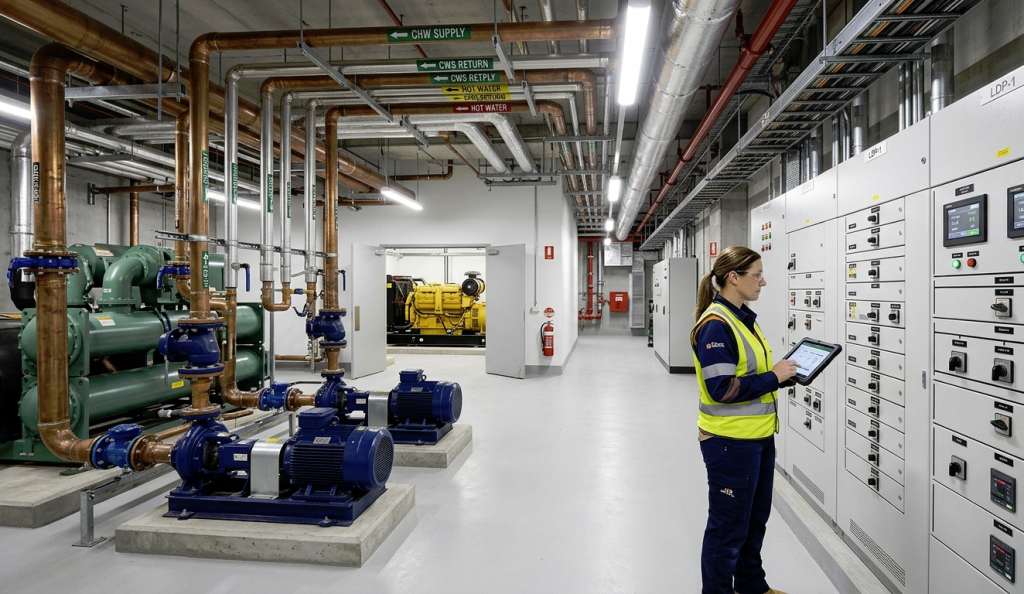
There are more than 187,000 hotels around the world, and each one operates like a self-contained city that never sleeps, where mechanical uptime directly impacts guest satisfaction. When a traveler checks into a room for the first time, they expect immediate hot water, perfect climate control, and seamless electricity.
Behind those expectations lies a complex web of interconnected building systems that require constant, meticulous maintenance to prevent catastrophic failures.
Managing these facilities means balancing emergency repairs with rigorous preventative schedules. A single equipment malfunction can trigger a cascade of negative online reviews and immediate revenue losses. Successful property operations rely on structured coordination between in-house engineering teams and specialized external contractors who keep the core infrastructure alive.
Keeping The Lights On And The Climate Controlled
Electrical distribution networks form the backbone of any modern hospitality property, demanding constant vigilance from specialized technicians. From main switchgear down to individual guestroom circuit breakers, commercial electrical systems must withstand highly fluctuating demand.
Property managers rely on advanced diagnostics such as infrared thermography to identify overheating electrical joints before they lead to full-scale power outages or fire hazards.
When managing distributed commercial jobs or executing large-scale lighting retrofits across multiple properties, coordination bottlenecks frequently threaten project timelines. Using dedicated platforms like Service Fusion for electrical contractors enables service providers to manage preventive maintenance schedules, dispatch technicians efficiently, track work orders, document inspections, and maintain complete service histories for hospitality properties.
These capabilities are especially valuable when supporting multiple hotel locations or responding to urgent electrical issues that could affect guest comfort and safety. This systematic approach helps certified contractors arrive on site with complete asset histories, reducing diagnostic time and preventing disruptions to guest operations.
For electrical service companies supporting hotels, centralized scheduling and maintenance tracking help reduce missed appointments, improve response times, and ensure compliance documentation remains accessible during inspections and audits.
Commercial building service calls occur in great numbers every day across the $2 trillion hotel market and the property management sector. For electrical contractors and facility managers alike, this immense volume highlights why manual scheduling and fragmented communication are no longer viable strategies for maintaining complex properties.
Preventative Protocols For Uninterrupted Operations
Maintaining critical infrastructure requires moving away from reactive firefighting and embracing strict preventative maintenance protocols. Facilities managers must establish a clear hierarchy of system checks to address vulnerabilities before they escalate into operational emergencies.
To ensure comprehensive coverage, successful engineering teams implement targeted maintenance strategies across three core areas:
- Comprehensive monthly vibration testing on all primary HVAC air handling units
- Semi-annual pressure testing and descaling of centralized domestic hot water boilers
- Weekly load testing of emergency standby diesel generators under real building conditions
Unanticipated asset downtime degrades the guest experience and increases operational overhead through emergency service premiums.
Implementing structured asset tracking allows property leaders to accurately forecast equipment lifecycles and maximize the return on physical capital. In an era when hotels are going the extra mile by having their own bespoke scents to aid guest comfort and improve brand recognition, paying attention to behind-the-scenes aspects like preventive maintenance can be justifiably prioritized.
Digital Integration In Modern Hospitality Facilities
Modern commercial facilities increasingly rely on integrated asset management to centralize work orders, compliance logging, and operational data into a unified system of record. This digital transformation replaces fragmented communication with automated alerts generated directly by building management sensors.
Moving away from legacy on-premises tracking tools toward responsive cloud architecture allows decentralized engineering teams to access live asset data instantly. Transitioning to these interconnected digital frameworks ensures that statutory safety inspections, electrical compliance records, and general maintenance histories remain secure, organized, and easily accessible during regulatory audits.
Maximizing Operational Efficiency On Internal Channels
Optimizing building systems requires continuous learning and alignment between facility stakeholders. Discover more practical operational guides, workforce management strategies, and insights in our blog’s archive, along with coverage of guest-focused topics across the hospitality sector.